Mobility in VET is usually associated with apprentices and students spending a period abroad. But what happens when we look at mobility from a broader skills perspective?
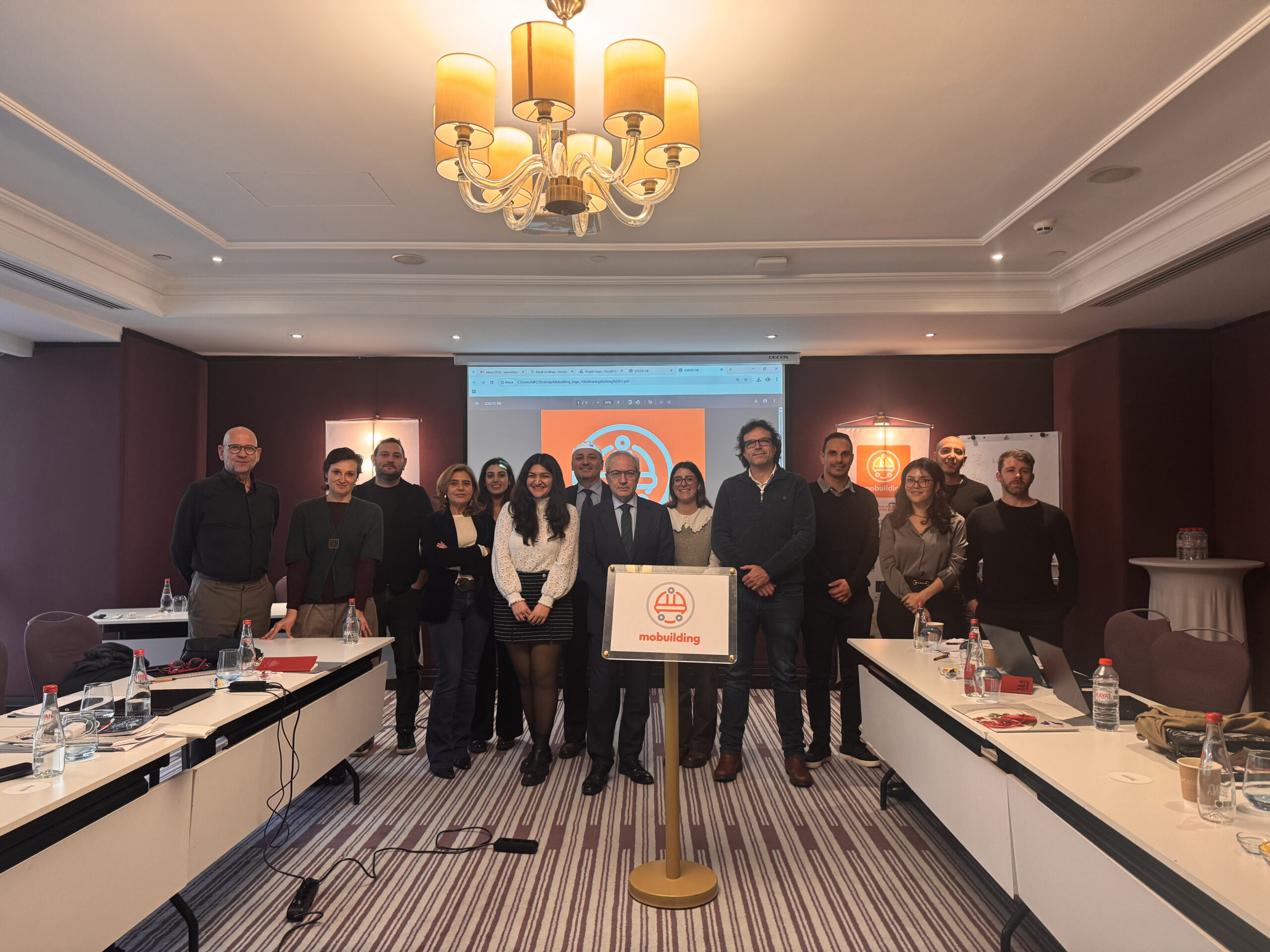
During the second MOBUILDING Transnational Project Meeting in Istanbul, Agustín Sigüenza, General Director of VET at the Regional Ministry of Education of Castilla y León, invited partners to explore this question through a presentation on Global Skills Partnerships (GSPs) and different mobility approaches.
The starting point was an important distinction: mobility can support the practical training of apprentices abroad, but it can also facilitate the mobility of skilled workers and contribute to addressing skills and labour shortages. In other words, we are talking about different people, objectives and models: from traineeships, internships and apprenticeships for VET learners to reskilling and upskilling linked to worker mobility. And the building sector makes this discussion particularly relevant.
In Spain, where the sector represented 5.6% of national GVA in 2021 and 5.2% of total employment in 2022, while facing a substantial need for workers. Looking ahead, around 740,000 job opportunities are expected in the sector between 2023 and 2035, around 170,000 of them linked to vocational training. At the same time, mobility is not straightforward. We find challenges ranging from language and recognition of qualifications to bureaucracy and legal barriers when recruiting internationally, and some very specific difficulties affecting VET mobility in the Spanish building sector: low participation in building-related VET, limited foreign-language proficiency among many learners and a preference among students for finding employment locally rather than considering opportunities abroad.
Global Skills Partnerships are conceived as partnerships between countries of origin and destination that connect skills development and labour mobility, bringing together public and private actors. Their potential goes beyond filling vacancies: properly designed, they can respond to labour-market needs in destination countries while supporting skills development in countries of origin and incorporating the protection and interests of mobile workers. Existing approaches face challenges around private-sector engagement, funding, sustainability, time, scale, stakeholder complexity and regulatory frameworks. And this raises an interesting question: could stronger business-to-business (B2B) skills partnerships offer another way forward?
A B2B approach could potentially create benefits on several sides: participants gain training and professional opportunities; employers can access skills that are difficult to find; and countries of origin may benefit from skills development and from workers who remain or eventually return with additional expertise. At the same time, these interests do not automatically align. What benefits an employer is not necessarily beneficial for the worker, the country of origin or the wider labour market in the destination country.
One of the ideas explored was a model connecting companies, training centres, potential participants and public authorities across countries of origin and destination, with mobility, training and skills recognition supported through cooperation structures such as the future MOBUILDING network. MOBUILDING is not developing a Global Skills Partnership as such. But the discussion opens up a useful perspective for the project: how can we build mobility structures that work not only for individual apprentices, but also for VET providers, companies, public authorities and the wider skills ecosystem?
That means looking beyond the mobility itself and asking how training, recognition, business participation, public governance and long-term cooperation can work together , because making mobility possible is only part of the challenge. Making it useful, fair and sustainable for everyone involved is the bigger one.