
MOBUILDING launches its European Platform for Apprenticeship Mobility in Building
MOBUILDING has reached another important milestone with the launch of its European Platform for Apprenticeship Mobility in Building (D3.1), a digital environment designed to support the organisations and professionals involved in organising and managing apprenticeship mobility in the building sector. Developed under WP3 and coordinated by INFODEF with the contribution of all project partners, the Platform brings together networking, capacity building and practical mobility-management resources in a single European environment. Its aim is to make cross-border apprenticeship mobility easier to organise and support, responding to some of the practical and organisational barriers identified during the first stages of MOBUILDING. Four spaces supporting the mobility journey The Platform is organised around four complementary areas: Partnership and Networking LoungeA space for connecting organisations interested in apprenticeship mobility and supporting cooperation between VET providers, companies and other relevant stakeholders across Europe. Capacity Building SpaceThe learning area of the Platform, providing access to the MOBUILDING Training Programme and resources designed to strengthen the capacity of professionals involved in preparing, implementing and supporting apprenticeship mobility. Apprenticeship Mobility Management ToolA practical environment supporting the organisation and follow-up of mobility experiences. Users can create a dedicated Mobility Workspace for each mobility, involve relevant actors such as in-company tutors and manage key information throughout the mobility process. Accreditation, Validation and Recognition CentreA dedicated area addressing one of the key dimensions of quality mobility: supporting the validation and recognition of the learning and competences acquired through apprenticeship experiences abroad. From resources to practical implementation The European Platform is more than a repository of project results. It has been designed as a practical environment connecting the different actors, resources and processes involved in apprenticeship mobility. It will also play an important role in the next phase of MOBUILDING. The Platform and its four areas will be tested through the pilot Apprenticeship Mobility Programme in Building, providing an opportunity to gather feedback from sending and hosting organisations, professionals and apprentices and to further refine the MOBUILDING approach based on real mobility experiences. With the launch of D3.1, MOBUILDING takes another step towards its wider objective: helping make apprenticeship mobility in the European building sector more accessible, manageable and sustainable for the organisations and people involved. Explore the MOBUILDING European Platform and discover its tools and resources:
MOBUILDING launches its Action Plan for apprenticeship mobility in the building sector
MOBUILDING has published the Action Plan to Foster Apprenticeship Mobility in the Building Sector in Europe (D2.2), providing a strategic framework to make apprenticeship mobility more accessible, effective and sustainable across Europe. Building directly on the findings of the Baseline Analysis (D2.1), the Action Plan translates the barriers identified through the project’s research into concrete priorities and actionable recommendations for VET providers, employers, intermediary organisations, social partners and public authorities. It is structured around six complementary objectives: creating a more supportive policy environment, strengthening organisational capacity, increasing SME participation, promoting inclusive and learner-centred mobility, developing future-ready skills, and building a sustainable and resilient mobility ecosystem. Rather than approaching mobility as a series of isolated experiences, D2.2 sets out a phased roadmap for implementation, monitoring and long-term sustainability. Its priorities will also guide the next MOBUILDING activities, including the European Platform, Training Programme, Building Apprenticeship Mobility Network, pilot mobility programme and Policy Toolbox. The ultimate goal is clear: to help move apprenticeship mobility from a fragmented and occasional opportunity towards a structured, recognised and sustainable part of VET in the European building sector. Discover the MOBUILDING Action Plan and the roadmap for turning mobility challenges into action.
MOBUILDING partners meet in Padua to prepare the next stage of apprenticeship mobility
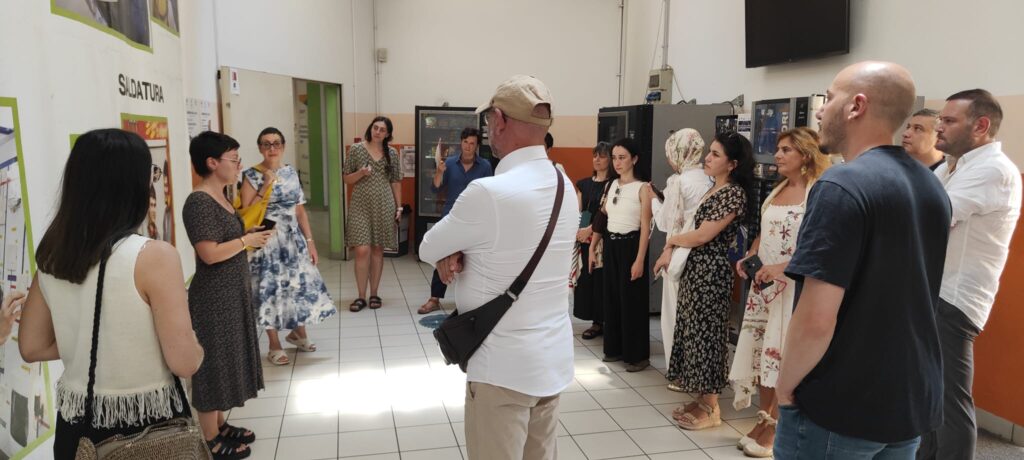
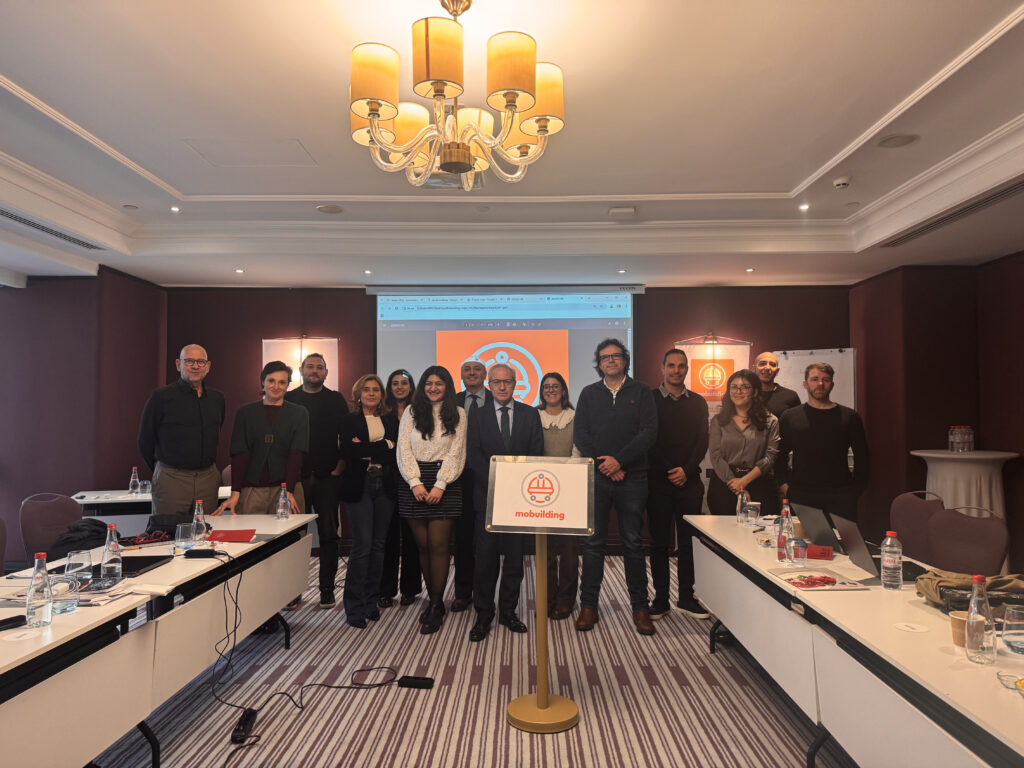
The MOBUILDING consortium met in Padua, Italy, on 15–16 July 2026 for its third Transnational Project Meeting, hosted by ENAIP Veneto. The meeting marked an important moment for the project, as partners moved from the analysis and design of the MOBUILDING approach towards the preparation of its practical implementation. Under WP2, TÜRKONFED presented the first draft of the Action Plan to Foster Apprenticeship Mobility in the Building Sector in Europe, designed to translate the barriers identified through the project’s research into strategic priorities and recommendations for action. Partners agreed to complete their contributions before its finalisation in August 2026. The meeting also provided an opportunity to see the first functionalities of the MOBUILDING European Platform for Apprenticeship Mobility in Building, presented by INFODEF, and to review progress on the Training Programme on Effective Management of Apprenticeship Mobility for the Building Sector. These two resources will provide organisations and professionals with a common digital environment and practical support for planning and managing apprenticeship mobility. A significant part of TPM3 focused on what comes next: putting the MOBUILDING approach into practice. Partners worked on the preparation of the pilot Apprenticeship Mobility Programme, including the selection of sending and hosting organisations and mobility participants, the development of supporting tools and the planning of mobility flows. The preparation phase was scheduled for the second half of 2026, with mobility experiences starting from January 2027. This work was complemented by discussions on the Building Apprenticeship Mobility Network, which will connect VET providers, companies, apprentices and other relevant stakeholders, and on the future Quality Assurance Protocol for Apprenticeship Mobility, which will be tested and validated alongside the pilot programme. Partners also had the opportunity to visit ENAIP Veneto’s school and laboratories, bringing the project discussions closer to the training environments in which vocational skills are developed, connecting the project’s work with the perspective of the labour market. Michelle Berzacola, HR Specialist at Elettromeccanica Veneta, joined the meeting to share the experience of the company and discuss its approach with MOBUILDING partners. They provided a concrete example of the relationship between training and employment. Elettromeccanica Veneta works in areas including electrical systems, industrial automation and technological solutions, and integrates different learning pathways into its activities, including internships, traineeships and dual apprenticeship contracts. It also invests in continuous employee training and career development. This exchange brought an important dimension to the meeting: understanding what companies need to participate effectively in training and mobility, and how stronger cooperation between VET providers and employers can contribute to meaningful work-based learning experiences. TPM3 showed how the different parts of MOBUILDING are beginning to come together: the evidence gathered through research is feeding into the Action Plan; the Platform and Training Programme are creating practical support for mobility actors; and the Network, Quality Assurance Protocol and pilot programme will provide the environment to test the project’s approach in practice.
New MOBUILDING report explores the barriers to apprenticeship mobility in the building sector
MOBUILDING has published its first major project result: the Baseline Analysis on Apprenticeship Mobility in the Building Sector (D2.1). The report provides an evidence-based overview of the main factors affecting apprenticeship mobility across the MOBUILDING countries, drawing on research into the experiences and perspectives of apprentices, VET providers, companies and other relevant stakeholders. Its analysis highlights a combination of legal and structural, administrative, economic, cultural and sector-specific barriers that can make international mobility particularly challenging in the building sector. It also underlines the important role of SMEs and the need for solutions that respond to the practical realities of construction workplaces. The Baseline provides the evidence base for the next stages of MOBUILDING. Its findings have directly informed the development of the project’s Action Plan to Foster Apprenticeship Mobility in the Building Sector in Europe, helping MOBUILDING move from identifying barriers to developing practical responses. Discover the Baseline Analysis and learn more about the challenges shaping apprenticeship mobility in Europe’s building sector.
Can mobility be part of the answer to skills shortages in the building sector?
Mobility in VET is usually associated with apprentices and students spending a period abroad. But what happens when we look at mobility from a broader skills perspective? During the second MOBUILDING Transnational Project Meeting in Istanbul, Agustín Sigüenza, General Director of VET at the Regional Ministry of Education of Castilla y León, invited partners to explore this question through a presentation on Global Skills Partnerships (GSPs) and different mobility approaches. The starting point was an important distinction: mobility can support the practical training of apprentices abroad, but it can also facilitate the mobility of skilled workers and contribute to addressing skills and labour shortages. In other words, we are talking about different people, objectives and models: from traineeships, internships and apprenticeships for VET learners to reskilling and upskilling linked to worker mobility. And the building sector makes this discussion particularly relevant. In Spain, where the sector represented 5.6% of national GVA in 2021 and 5.2% of total employment in 2022, while facing a substantial need for workers. Looking ahead, around 740,000 job opportunities are expected in the sector between 2023 and 2035, around 170,000 of them linked to vocational training. At the same time, mobility is not straightforward. We find challenges ranging from language and recognition of qualifications to bureaucracy and legal barriers when recruiting internationally, and some very specific difficulties affecting VET mobility in the Spanish building sector: low participation in building-related VET, limited foreign-language proficiency among many learners and a preference among students for finding employment locally rather than considering opportunities abroad. Global Skills Partnerships are conceived as partnerships between countries of origin and destination that connect skills development and labour mobility, bringing together public and private actors. Their potential goes beyond filling vacancies: properly designed, they can respond to labour-market needs in destination countries while supporting skills development in countries of origin and incorporating the protection and interests of mobile workers. Existing approaches face challenges around private-sector engagement, funding, sustainability, time, scale, stakeholder complexity and regulatory frameworks. And this raises an interesting question: could stronger business-to-business (B2B) skills partnerships offer another way forward? A B2B approach could potentially create benefits on several sides: participants gain training and professional opportunities; employers can access skills that are difficult to find; and countries of origin may benefit from skills development and from workers who remain or eventually return with additional expertise. At the same time, these interests do not automatically align. What benefits an employer is not necessarily beneficial for the worker, the country of origin or the wider labour market in the destination country. One of the ideas explored was a model connecting companies, training centres, potential participants and public authorities across countries of origin and destination, with mobility, training and skills recognition supported through cooperation structures such as the future MOBUILDING network. MOBUILDING is not developing a Global Skills Partnership as such. But the discussion opens up a useful perspective for the project: how can we build mobility structures that work not only for individual apprentices, but also for VET providers, companies, public authorities and the wider skills ecosystem? That means looking beyond the mobility itself and asking how training, recognition, business participation, public governance and long-term cooperation can work together , because making mobility possible is only part of the challenge. Making it useful, fair and sustainable for everyone involved is the bigger one.
MOBUILDING partners meet in Istanbul to move from research to action
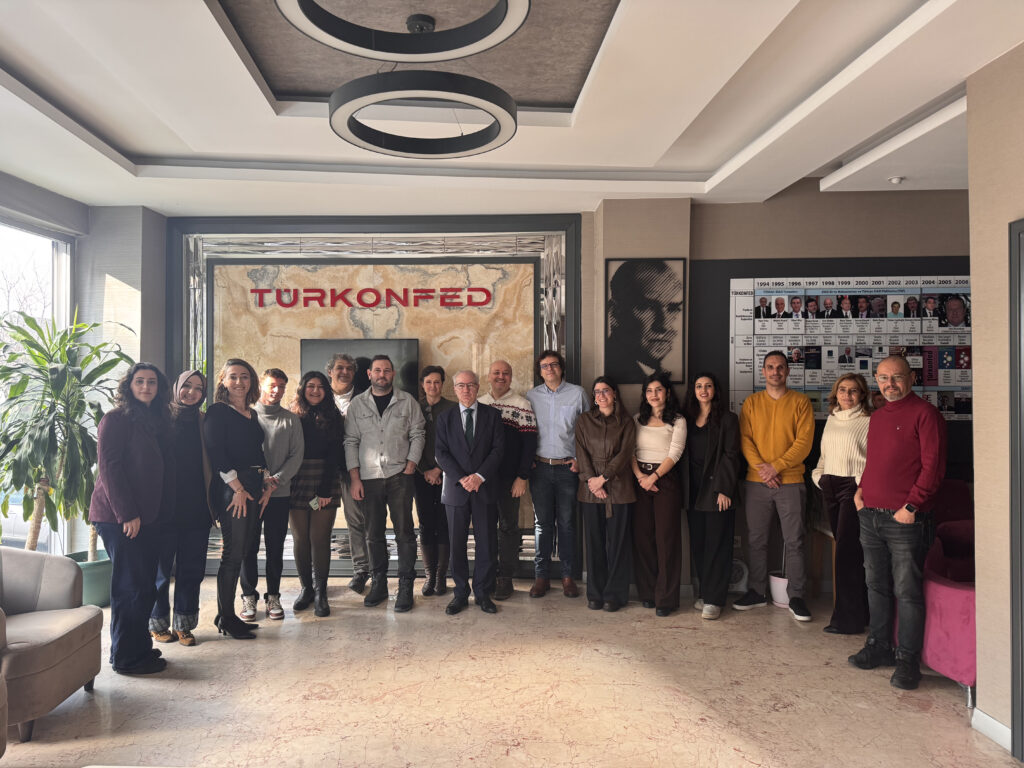
The MOBUILDING consortium gathered in Istanbul, Türkiye, on 13–14 January 2026 for its second Transnational Project Meeting, bringing partners together to review the progress achieved during the first months of the project and coordinate the next steps towards more accessible and effective apprenticeship mobility in the building sector. Hosted in Istanbul, the two-day meeting combined internal project coordination with exchanges involving education, business and mobility stakeholders, providing an opportunity to connect the work being developed within MOBUILDING with different perspectives on international apprenticeship and learning mobility. Beyond the internal project work, TPM2 provided an opportunity to look at apprenticeship mobility from different institutional and practical perspectives. D. Agustín Sigüenza, General Director of VET at the Regional Ministry of Education of Castilla y León, introduced Global Skills Partnerships and different approaches to international mobility, which contributed to a wider discussion within the consortium on how MOBUILDING can support different mobility models alongside the Erasmus+ framework. The second day broadened this exchange further along different sessions addresing the business perspective on the building sector and apprenticeship mobility, institutional approaches to international mobility in engineering and construction, students’ first-hand mobility experiences, and the contribution of companies involved in hosting or sending participants abroad. These exchanges helped connect the strategic work of MOBUILDING with the experiences and needs of the organisations and people directly involved in mobility, building the next steps together. Stay connected to follow the next steps of MOBUILDING!
Η MOBUILDING συμμετείχε στην ΕΒΔΟΜΑΔΑ ΕΓΚΑΙΝΙΩΝ ΤΟΥ ΕΥΡΩΠΑΪΚΟΥ ΚΕΝΤΡΟΥ ΑΡΙΣΤΕΙΑΣ Science & Tech SPACE Park στα Σκόπια

Από τις 12 έως τις 18 Σεπτεμβρίου 2025, το έργο MOBUILDING συμμετείχε στην Εβδομάδα Εγκαινίων του Κέντρου Αριστείας της ΕΕ SPACE Park στα Σκόπια της Βόρειας Μακεδονίας, μια σημαντική ευρωπαϊκή εκδήλωση αφιερωμένη στην καινοτομία, την αριστεία και τη συνεργασία στον τομέα της επαγγελματικής εκπαίδευσης και κατάρτισης (ΕΕΚ). Η πρωτοβουλία SPACE Park προωθεί τη δημιουργία περιφερειακών κέντρων αριστείας στην ΕΕΚ, την έρευνα, την επιχειρηματικότητα και την «έξυπνη» εξειδίκευση, σύμφωνα με τους στόχους της ΕΕ για την ψηφιακή και την πράσινη μετάβαση. Η Εβδομάδα Εγκαινίων συγκέντρωσε εταίρους από όλη την Ευρώπη, με ιδιαίτερη έμφαση στην «έξυπνη» ηλεκτρική ενέργεια, την προηγμένη κατασκευή, την κινητικότητα, τις ψηφιακές δεξιότητες και τη βιωσιμότητα. Στις 15 Σεπτεμβρίου, ο Jesús Boyano (INFODEF) παρουσίασε το MOBUILDING κατά τη διάρκεια της συνεδρίασης υψηλού επίπεδο με θέμα «Ευρωπαϊκά χρηματοδοτούμενα έργα για την αριστεία», όπου το έργο αναδείχθηκε ως μια καινοτόμος απάντηση στις προκλήσεις της κινητικότητας των μαθητευομένων στον κατασκευαστικό τομέα. Η παρουσίαση ανέδειξε τα κύρια αποτελέσματα του έργου, συμπεριλαμβανομένης της ψηφιακής πλατφόρμας, του προγράμματος κατάρτισης, των εργαλείων πολιτικής και των πιλοτικών εμπειριών κινητικότητας που έχουν σχεδιαστεί για να υποστηρίξουν τους παρόχους ΕΕΚ, τις ΜΜΕ και τους μαθητευόμενους σε όλη την Ευρώπη. Η συνεδρία ήταν μέρος ενός ευρύτερου προγράμματος που περιελάμβανε παρουσιάσεις έργων, κεντρικές ομιλίες, εργαστήρια δικτύωσης και διαλόγους πολιτικής. Το MOBUILDING παρουσιάστηκε μαζί με άλλες σημαντικές ευρωπαϊκές πρωτοβουλίες, όπως το SEBCoVE ( «Έξυπνη ηλεκτρική ενέργεια για κτίρια») και το ELeVATE (« Ευρωπαϊκή συμμαχία ΕΕΚ για τη μετάβαση και την απασχόληση»). Καθ’ όλη τη διάρκεια της εβδομάδας, οι συμμετέχοντες έλαβαν μέρος σε πρακτικά εργαστήρια, συνεδρίες συν-δημιουργίας και θεματικές συζητήσεις σχετικά με τον τρόπο με τον οποίο τα Κέντρα Επαγγελματικής Αριστείας (CoVEs) μπορούν να λειτουργήσουν ως κινητήριες δυνάμεις για την καινοτομία και την περιφερειακή ανάπτυξη. Η εκδήλωση περιλάμβανε επίσης επιδείξεις νέων τεχνολογιών μάθησης, συζητήσεις σχετικά με την αριστεία χωρίς αποκλεισμούς και την έναρξη διασυνοριακών συνεργασιών με στόχο την ενίσχυση του αντίκτυπου. Για το MOBUILDING, η εκδήλωση αποτέλεσε μια πολύτιμη ευκαιρία για να ενισχυθεί η προβολή του, να συνδεθεί με άλλες πρωτοβουλίες που στοχεύουν στην αριστεία και να μοιραστεί το όραμά του για ένα πιο ευκίνητο, εξειδικευμένο και έτοιμο για το μέλλον εργατικό δυναμικό στον τομέα των κατασκευών στην Ευρώπη.
Η ομάδα MOBUILDING συμμετέχει στο Φόρουμ Επαγγελματικής Εκπαίδευσης και Κατάρτισης IV της Καστίλλης και Λεόν

Το Φόρουμ Επαγγελματικής Εκπαίδευσης και Κατάρτισης IV, της Καστίλλης και Λεόν, πραγματοποιήθηκε στις 8-9 Απριλίου στο Συνεδριακό Κέντρο του Βαγιαδολίδ (Ισπανία). Ο διευθυντής του INFODEF, Jesús Boyano Sierra, συμμετείχε στη συζήτηση στρογγυλής τραπέζης με θέμα «Κινητικότητα και Διεθνοποίηση», συμβάλλοντας με τις απόψεις του INFODEF και της ομάδας MOBUILDING σχετικά με τα Κέντρα Επαγγελματικής Αριστείας και τη δέσμευσή μας για παγκόσμια συνεργασία στον τομέα της ΕΕΚ. Το φόρουμ συγκέντρωσε σημαντικές φωνές από όλη την Ευρώπη — από την Ευρωπαϊκή Επιτροπή, το CEDEFOP, το Ευρωπαϊκό Ίδρυμα Επαγγελματικής Κατάρτισης και το EfVET — για να αντιμετωπίσει τις πιο επείγουσες προκλήσεις και ευκαιρίες στην επαγγελματική κατάρτιση σήμερα. Το φόρουμ συνέπεσε με τον διαγωνισμό Castilla y León Skills 2025, ο οποίος ανέδειξε τα νεαρά ταλέντα της περιοχής σε τομείς όπως η μηχατρονική, η μαγειρική, οι ανανεώσιμες πηγές ενέργειας και άλλα. Η εκδήλωση αυτή αποτελεί μια σημαντική βιτρίνα που βοηθά τους νέους να ανακαλύψουν από πρώτο χέρι τις διάφορες εναλλακτικές καριέρες που έχουν στη διάθεσή τους. Η αποτελεσματική επαγγελματική καθοδήγηση και ένα εκπαιδευτικό σύστημα που ενισχύει τις εμπειρίες μάθησης με βάση την εργασία είναι καθοριστικά για την απελευθέρωση του δυναμικού τους.
Εναρκτήρια συνάντηση για το έργο MOBUILDING στο Βαγιαδολίδ της Ισπανίας

Στις 9-10 Απριλίου, το INFODEF φιλοξένησε την εναρκτήρια συνάντηση του έργου MOBUILDING στο Βαγιαδολίδ, συγκεντρώνοντας εταίρους από επτά χώρες για την πρώτη διαπροσωπική συνάντηση της κοινοπραξίας. Η εκδήλωση σηματοδότησε την επίσημη έναρξη αυτής της φιλόδοξης πρωτοβουλίας, η οποία στοχεύει στην ενίσχυση της κινητικότητας των μαθητευόμενων στον ευρωπαϊκό κατασκευαστικό τομέα μέσω καινοτόμων εργαλείων, στρατηγικών συνεργασιών και δράσεων που βασίζονται σε πολιτικές. Πριν από τη συνάντηση, οι εταίροι συμμετείχαν στο Φόρουμ Δεξιοτήτων της Καστίλλης και Λεόν και επισκέφθηκαν το Περιφερειακό Πρωτάθλημα Δεξιοτήτων Επαγγελματικής Εκπαίδευσης και Κατάρτισης, αποκτώντας πολύτιμες γνώσεις σχετικά με τις περιφερειακές στρατηγικές αριστείας στην επαγγελματική εκπαίδευση και κατάρτιση. Η συνάντηση άνοιξε επίσημα από τον Agustín Francisco Sigüenza, Γενικό Διευθυντή Επαγγελματικής Εκπαίδευσης και Κατάρτισης της Περιφερειακής Κυβέρνησης της Καστίλλης και Λεόν, ο οποίος καλωσόρισε την κοινοπραξία και υπογράμμισε τη σημασία της ευρωπαϊκής συνεργασίας για τον εκσυγχρονισμό των συστημάτων ΕΕΚ και τη βελτίωση της απασχολησιμότητας των μαθητευομένων. Ο συντονιστής του έργου, Jesús Boyano (INFODEF), παρουσίασε μια γενική εικόνα των στόχων του έργου και περιέγραψε το πλαίσιο του στο πλαίσιο του Ευρωπαϊκού Πειραματισμού Πολιτικής, τονίζοντας τις τρεις κατευθυντήριες διαστάσεις του: – Πολιτική και προάσπιση – Πειραματισμός – Ενσωμάτωση στο mainstream Κατά τη διάρκεια της διήμερης συνάντησης, όλοι οι εταίροι παρουσίασαν τους φορείς τους, τους ρόλους τους και τις αναμενόμενες συνεισφορές τους. Η κοινοπραξία, που αποτελείται από εννέα εταίρους από επτά χώρες, περιλαμβάνει φορείς επαγγελματικής εκπαίδευσης και κατάρτισης, δημόσιες αρχές, επιχειρηματικές ενώσεις, ερευνητικά κέντρα και φορείς χάραξης πολιτικής. Στη συνάντηση συμμετείχαν επίσης αρκετοί συνδεδεμένοι και προσκεκλημένοι οργανισμοί από τη Βόρεια Μακεδονία και την Ελλάδα, συμβάλλοντας στην ανοιχτή διάσταση και τη μελλοντική προβολή του Οι συνεδρίες εργασίας κάλυψαν τη δομή και τους στόχους κάθε πακέτου εργασίας, και κάθε συνεδρία ολοκληρώθηκε με σημεία δράσης και προθεσμίες για να εξασφαλιστεί μια ομαλή και συντονισμένη έναρξη των δραστηριοτήτων του έργου. Τα βασικά ορόσημα που συζητήθηκαν περιλαμβάνουν την έναρξη της ψηφιακής πλατφόρμας, το σχεδιασμό του προγράμματος κατάρτισης και την επικείμενη έρευνα σχετικά με τα θεσμικά και διαρθρωτικά εμπόδια που επηρεάζουν την κινητικότητα των μαθητευομένων. Η συνάντηση τόνισε επίσης τη σημασία της ορατότητας, του αντίκτυπου και της διασφάλισης της ποιότητας καθ’ όλη τη διάρκεια του κύκλου ζωής του έργου. Συγκροτήθηκε ειδική επιτροπή επικοινωνίας για να ηγηθεί των προσπαθειών προβολής, και η INFODEF παρουσίασε το πρώτο σχέδιο της οπτικής ταυτότητας και των εργαλείων επικοινωνίας. Η εναρκτήρια συνάντηση έθεσε ισχυρά θεμέλια συνεργασίας για την εταιρική σχέση MOBUILDING, επιβεβαιώνοντας τη δέσμευση της κοινοπραξίας για την οικοδόμηση ενός πιο περιεκτικού, συνδεμένου και προσανατολισμένου στο μέλλον συστήματος κινητικότητας μαθητευομένων στον κατασκευαστικό τομέα.
MOBUILDING – Μια στρατηγική προσέγγιση για την υποστήριξη της κινητικότητας των μαθητευόμενων στον κατασκευαστικό τομέα

Το MOBUILDING είναι μια πρωτοβουλία πειραματισμού πολιτικής Erasmus+ που στοχεύει στην ανάπτυξη μιας στρατηγικής και βιώσιμης προσέγγισης για την υποστήριξη, την επέκταση και τη θεσμοθέτηση της κινητικότητας των μαθητευομένων στον κατασκευαστικό τομέα σε ολόκληρη την Ευρώπη. Ένας κρίσιμος κλάδος για την ευρωπαϊκή οικονομία, όπως είναι ο κατασκευαστικός τομέας, χρειάζεται δράση. Ο σχεδιασμός και η υλοποίηση ενός ψηφιακού και φυσικού δικτύου και υποδομής για τη διευκόλυνση της αποτελεσματικής κινητικότητας των μαθητευομένων, η ενίσχυση της ικανότητας των παρόχων ΕΕΚ, των εργοδοτών και άλλων ενδιαφερόμενων μερών να συμμετέχουν και να υποστηρίζουν εμπειρίες κινητικότητας υψηλής ποιότητας, η αντιμετώπιση των νομικών, πολιτισμικών και εκπαιδευτικών εμποδίων στην κινητικότητα και η προώθηση πιο ενταξιακών και προσβάσιμων ευκαιριών. Μέσω αυτών των στρατηγικών και των νέων πόρων, το MOBUILDING θα συμβάλει άμεσα στην επίτευξη του στόχου της ΕΕ για κινητικότητα 8% των μαθητών ΕΕΚ, θα βελτιώσει τα αποτελέσματα στην απασχόληση ευθυγραμμίζοντας την κατάρτιση με τις ανάγκες της βιομηχανίας, θα ενισχύσει τα συστήματα ΕΕΚ μέσω της εστίασης σε συγκεκριμένους τομείς και της διακρατικής συνεργασίας και θα βελτιώσει την ενοποίηση των πολιτικών παρέχοντας πολύτιμες πληροφορίες και δεδομένα για την υποστήριξη της βελτίωσης των πολιτικών ΕΕΚ τόσο σε εθνικό όσο και σε ευρωπαϊκό επίπεδο. Κύριοι στόχοι Το πρόγραμμα MOBUILDING επιδιώκει με σχολαστικότητα την ενίσχυση της υποδομής για την κινητικότητα των μαθητευομένων, καθιστώντας την πιο αποτελεσματική, επεκτάσιμη και ευθυγραμμισμένη με τους περιφερειακούς και τους πανευρωπαϊκούς πολιτικούς στόχους. Με έμφαση σε αυτόν τον βασικό στόχο, το πρόγραμμα ασχολείται επίσης με: 1. Αντιμετώπιση των φραγμών και των διαρθρωτικών εμποδίων στην κινητικότητα των μαθητευομένων μέσω: Ανάπτυξη έρευνας σχετικά με την πορεία των μαθητευομένων μέσα από θεσμικές και διαρθρωτικές προκλήσεις για την κινητικότητα στον κατασκευαστικό τομέα, με σκοπό τον εντοπισμό των βασικών εμποδίων. Διαμόρφωση σχεδίου δράσης για την προώθηση της κινητικότητας των μαθητευομένων στον κατασκευαστικό τομέα στην Ευρώπη, παρέχοντας ένα στρατηγικό, τεκμηριωμένο πλαίσιο για την αντιμετώπιση των φραγμών στην κινητικότητα των μαθητευομένων. 2. Υποστήριξη των οργανισμών αποστολής και υποδοχής με τους εξής τρόπους: Καθιστώντας την κινητικότητα μια ρεαλιστική δυνατότητα για κάθε μαθητή που συμμετέχει σε προγράμματα ΕΕΚ και ΕΕΚΕ στον τομέα των κατασκευών και αυξάνοντας τη μέση διάρκεια της κινητικότητας των μαθητών ΕΕΚ, προκειμένου να ενισχυθεί η ποιότητα και ο αντίκτυπός της. Την ανάπτυξη της ικανότητας των παρόχων ΕΕΚ να υλοποιούν προγράμματα κινητικότητας υψηλής ποιότητας και της ικανότητάς τους να δημιουργούν ποιοτικές συνεργασίες στον τομέα των κατασκευών, αναπτύσσοντας παράλληλα τη στρατηγική τους για τη διεθνοποίηση. Την προώθηση της ποιότητας, της διαφάνειας και της αναγνώρισης των μαθησιακών αποτελεσμάτων των περιόδων κινητικότητας στο εξωτερικό, ιδίως με τη χρήση ευρωπαϊκών εργαλείων και μέσων για τον σκοπό αυτό. 3. Ενίσχυση της προσέγγισης των μαθητευομένων και των εργοδοτών και βελτίωση της ποιότητας των εμπειριών μαθησιακής κινητικότητας μέσω: Σύνθεσης των ευρημάτων και των διδαγμάτων που αντλήθηκαν από την ανάπτυξη του προγράμματος, με σκοπό τη διαμόρφωση τεκμηριωμένων συστάσεων πολιτικής που αποσκοπούν στην ενίσχυση της κινητικότητας των μαθητευομένων στον κατασκευαστικό τομέα. Υποστήριξης συνεργασιών μεταξύ οργανισμών για την εφαρμογή σταθερών και τακτικών προγραμμάτων κινητικότητας στον κατασκευαστικό τομέα, στο πλαίσιο των προγραμμάτων σπουδών, και δοκιμής νέων διμερών ευκαιριών κινητικότητας που προκύπτουν από αυτές τις συνεργασίες. Δημιουργίας και εφαρμογής προτύπων διασφάλισης ποιότητας για τη διασφάλιση της αποτελεσματικότητας και της ποιότητας των προγραμμάτων κινητικότητας.


