
MOBUILDING launches its European Platform for Apprenticeship Mobility in Building
MOBUILDING has reached another important milestone with the launch of its European Platform for Apprenticeship Mobility in Building (D3.1), a digital environment designed to support the organisations and professionals involved in organising and managing apprenticeship mobility in the building sector. Developed under WP3 and coordinated by INFODEF with the contribution of all project partners, the Platform brings together networking, capacity building and practical mobility-management resources in a single European environment. Its aim is to make cross-border apprenticeship mobility easier to organise and support, responding to some of the practical and organisational barriers identified during the first stages of MOBUILDING. Four spaces supporting the mobility journey The Platform is organised around four complementary areas: Partnership and Networking LoungeA space for connecting organisations interested in apprenticeship mobility and supporting cooperation between VET providers, companies and other relevant stakeholders across Europe. Capacity Building SpaceThe learning area of the Platform, providing access to the MOBUILDING Training Programme and resources designed to strengthen the capacity of professionals involved in preparing, implementing and supporting apprenticeship mobility. Apprenticeship Mobility Management ToolA practical environment supporting the organisation and follow-up of mobility experiences. Users can create a dedicated Mobility Workspace for each mobility, involve relevant actors such as in-company tutors and manage key information throughout the mobility process. Accreditation, Validation and Recognition CentreA dedicated area addressing one of the key dimensions of quality mobility: supporting the validation and recognition of the learning and competences acquired through apprenticeship experiences abroad. From resources to practical implementation The European Platform is more than a repository of project results. It has been designed as a practical environment connecting the different actors, resources and processes involved in apprenticeship mobility. It will also play an important role in the next phase of MOBUILDING. The Platform and its four areas will be tested through the pilot Apprenticeship Mobility Programme in Building, providing an opportunity to gather feedback from sending and hosting organisations, professionals and apprentices and to further refine the MOBUILDING approach based on real mobility experiences. With the launch of D3.1, MOBUILDING takes another step towards its wider objective: helping make apprenticeship mobility in the European building sector more accessible, manageable and sustainable for the organisations and people involved. Explore the MOBUILDING European Platform and discover its tools and resources:
MOBUILDING launches its Action Plan for apprenticeship mobility in the building sector
MOBUILDING has published the Action Plan to Foster Apprenticeship Mobility in the Building Sector in Europe (D2.2), providing a strategic framework to make apprenticeship mobility more accessible, effective and sustainable across Europe. Building directly on the findings of the Baseline Analysis (D2.1), the Action Plan translates the barriers identified through the project’s research into concrete priorities and actionable recommendations for VET providers, employers, intermediary organisations, social partners and public authorities. It is structured around six complementary objectives: creating a more supportive policy environment, strengthening organisational capacity, increasing SME participation, promoting inclusive and learner-centred mobility, developing future-ready skills, and building a sustainable and resilient mobility ecosystem. Rather than approaching mobility as a series of isolated experiences, D2.2 sets out a phased roadmap for implementation, monitoring and long-term sustainability. Its priorities will also guide the next MOBUILDING activities, including the European Platform, Training Programme, Building Apprenticeship Mobility Network, pilot mobility programme and Policy Toolbox. The ultimate goal is clear: to help move apprenticeship mobility from a fragmented and occasional opportunity towards a structured, recognised and sustainable part of VET in the European building sector. Discover the MOBUILDING Action Plan and the roadmap for turning mobility challenges into action.
MOBUILDING partners meet in Padua to prepare the next stage of apprenticeship mobility
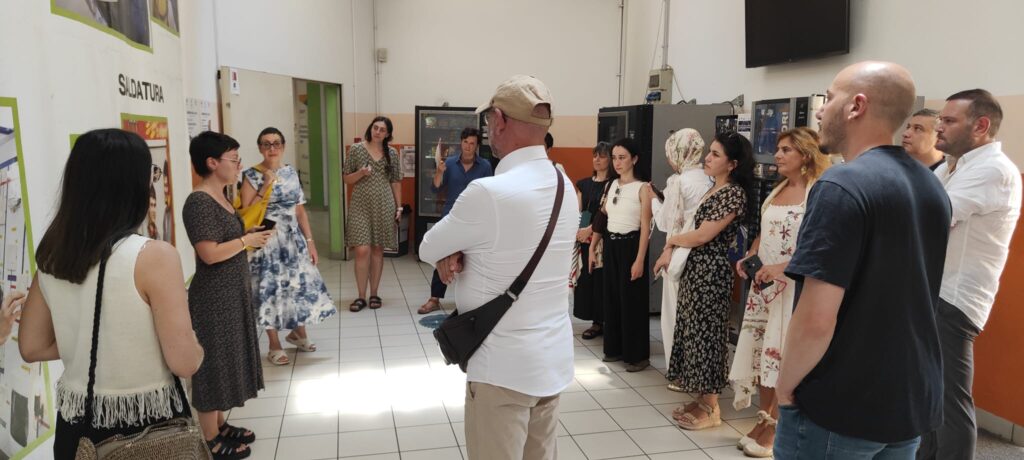
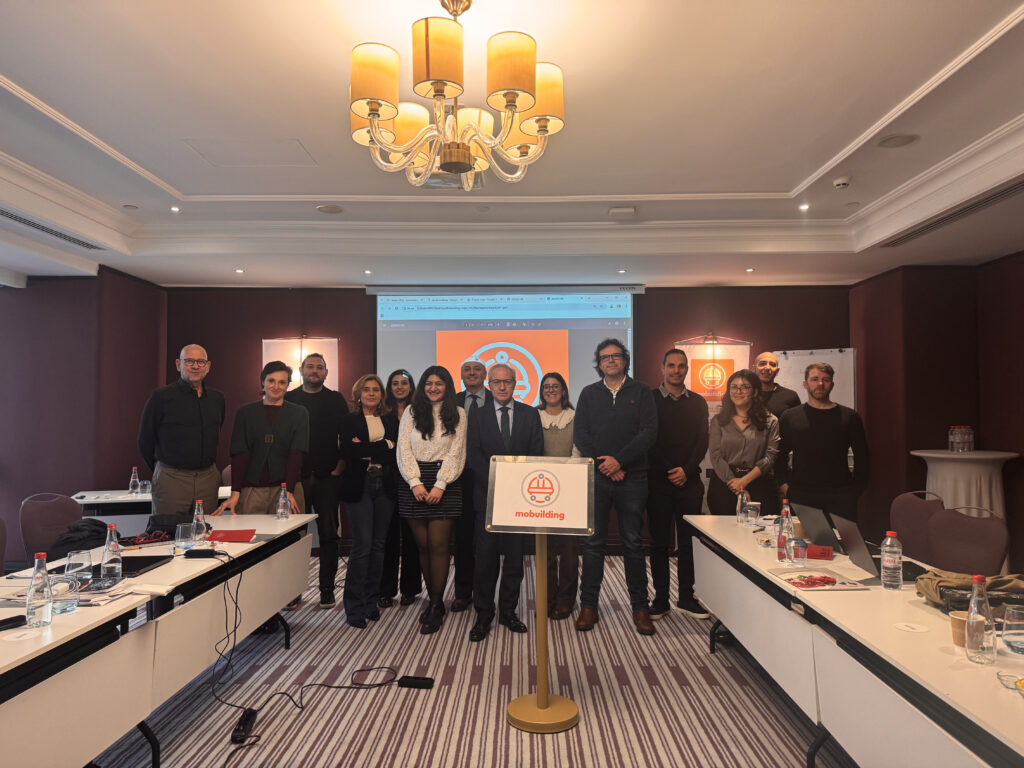
The MOBUILDING consortium met in Padua, Italy, on 15–16 July 2026 for its third Transnational Project Meeting, hosted by ENAIP Veneto. The meeting marked an important moment for the project, as partners moved from the analysis and design of the MOBUILDING approach towards the preparation of its practical implementation. Under WP2, TÜRKONFED presented the first draft of the Action Plan to Foster Apprenticeship Mobility in the Building Sector in Europe, designed to translate the barriers identified through the project’s research into strategic priorities and recommendations for action. Partners agreed to complete their contributions before its finalisation in August 2026. The meeting also provided an opportunity to see the first functionalities of the MOBUILDING European Platform for Apprenticeship Mobility in Building, presented by INFODEF, and to review progress on the Training Programme on Effective Management of Apprenticeship Mobility for the Building Sector. These two resources will provide organisations and professionals with a common digital environment and practical support for planning and managing apprenticeship mobility. A significant part of TPM3 focused on what comes next: putting the MOBUILDING approach into practice. Partners worked on the preparation of the pilot Apprenticeship Mobility Programme, including the selection of sending and hosting organisations and mobility participants, the development of supporting tools and the planning of mobility flows. The preparation phase was scheduled for the second half of 2026, with mobility experiences starting from January 2027. This work was complemented by discussions on the Building Apprenticeship Mobility Network, which will connect VET providers, companies, apprentices and other relevant stakeholders, and on the future Quality Assurance Protocol for Apprenticeship Mobility, which will be tested and validated alongside the pilot programme. Partners also had the opportunity to visit ENAIP Veneto’s school and laboratories, bringing the project discussions closer to the training environments in which vocational skills are developed, connecting the project’s work with the perspective of the labour market. Michelle Berzacola, HR Specialist at Elettromeccanica Veneta, joined the meeting to share the experience of the company and discuss its approach with MOBUILDING partners. They provided a concrete example of the relationship between training and employment. Elettromeccanica Veneta works in areas including electrical systems, industrial automation and technological solutions, and integrates different learning pathways into its activities, including internships, traineeships and dual apprenticeship contracts. It also invests in continuous employee training and career development. This exchange brought an important dimension to the meeting: understanding what companies need to participate effectively in training and mobility, and how stronger cooperation between VET providers and employers can contribute to meaningful work-based learning experiences. TPM3 showed how the different parts of MOBUILDING are beginning to come together: the evidence gathered through research is feeding into the Action Plan; the Platform and Training Programme are creating practical support for mobility actors; and the Network, Quality Assurance Protocol and pilot programme will provide the environment to test the project’s approach in practice.
New MOBUILDING report explores the barriers to apprenticeship mobility in the building sector
MOBUILDING has published its first major project result: the Baseline Analysis on Apprenticeship Mobility in the Building Sector (D2.1). The report provides an evidence-based overview of the main factors affecting apprenticeship mobility across the MOBUILDING countries, drawing on research into the experiences and perspectives of apprentices, VET providers, companies and other relevant stakeholders. Its analysis highlights a combination of legal and structural, administrative, economic, cultural and sector-specific barriers that can make international mobility particularly challenging in the building sector. It also underlines the important role of SMEs and the need for solutions that respond to the practical realities of construction workplaces. The Baseline provides the evidence base for the next stages of MOBUILDING. Its findings have directly informed the development of the project’s Action Plan to Foster Apprenticeship Mobility in the Building Sector in Europe, helping MOBUILDING move from identifying barriers to developing practical responses. Discover the Baseline Analysis and learn more about the challenges shaping apprenticeship mobility in Europe’s building sector.
Can mobility be part of the answer to skills shortages in the building sector?
Mobility in VET is usually associated with apprentices and students spending a period abroad. But what happens when we look at mobility from a broader skills perspective? During the second MOBUILDING Transnational Project Meeting in Istanbul, Agustín Sigüenza, General Director of VET at the Regional Ministry of Education of Castilla y León, invited partners to explore this question through a presentation on Global Skills Partnerships (GSPs) and different mobility approaches. The starting point was an important distinction: mobility can support the practical training of apprentices abroad, but it can also facilitate the mobility of skilled workers and contribute to addressing skills and labour shortages. In other words, we are talking about different people, objectives and models: from traineeships, internships and apprenticeships for VET learners to reskilling and upskilling linked to worker mobility. And the building sector makes this discussion particularly relevant. In Spain, where the sector represented 5.6% of national GVA in 2021 and 5.2% of total employment in 2022, while facing a substantial need for workers. Looking ahead, around 740,000 job opportunities are expected in the sector between 2023 and 2035, around 170,000 of them linked to vocational training. At the same time, mobility is not straightforward. We find challenges ranging from language and recognition of qualifications to bureaucracy and legal barriers when recruiting internationally, and some very specific difficulties affecting VET mobility in the Spanish building sector: low participation in building-related VET, limited foreign-language proficiency among many learners and a preference among students for finding employment locally rather than considering opportunities abroad. Global Skills Partnerships are conceived as partnerships between countries of origin and destination that connect skills development and labour mobility, bringing together public and private actors. Their potential goes beyond filling vacancies: properly designed, they can respond to labour-market needs in destination countries while supporting skills development in countries of origin and incorporating the protection and interests of mobile workers. Existing approaches face challenges around private-sector engagement, funding, sustainability, time, scale, stakeholder complexity and regulatory frameworks. And this raises an interesting question: could stronger business-to-business (B2B) skills partnerships offer another way forward? A B2B approach could potentially create benefits on several sides: participants gain training and professional opportunities; employers can access skills that are difficult to find; and countries of origin may benefit from skills development and from workers who remain or eventually return with additional expertise. At the same time, these interests do not automatically align. What benefits an employer is not necessarily beneficial for the worker, the country of origin or the wider labour market in the destination country. One of the ideas explored was a model connecting companies, training centres, potential participants and public authorities across countries of origin and destination, with mobility, training and skills recognition supported through cooperation structures such as the future MOBUILDING network. MOBUILDING is not developing a Global Skills Partnership as such. But the discussion opens up a useful perspective for the project: how can we build mobility structures that work not only for individual apprentices, but also for VET providers, companies, public authorities and the wider skills ecosystem? That means looking beyond the mobility itself and asking how training, recognition, business participation, public governance and long-term cooperation can work together , because making mobility possible is only part of the challenge. Making it useful, fair and sustainable for everyone involved is the bigger one.
MOBUILDING partners meet in Istanbul to move from research to action
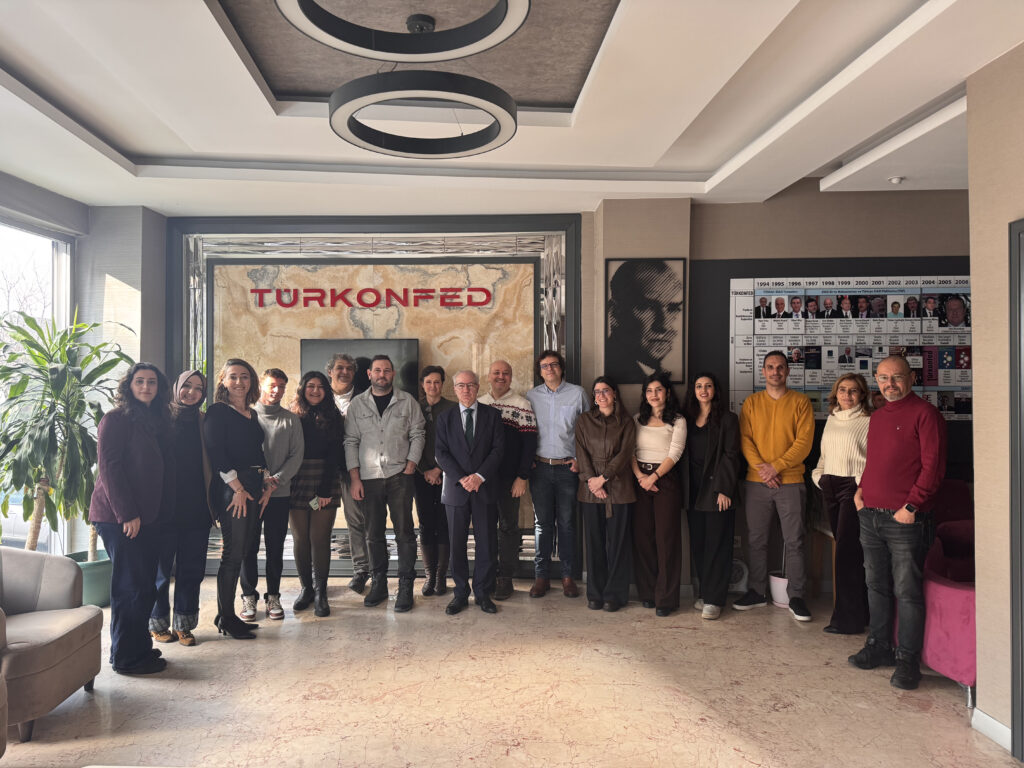
The MOBUILDING consortium gathered in Istanbul, Türkiye, on 13–14 January 2026 for its second Transnational Project Meeting, bringing partners together to review the progress achieved during the first months of the project and coordinate the next steps towards more accessible and effective apprenticeship mobility in the building sector. Hosted in Istanbul, the two-day meeting combined internal project coordination with exchanges involving education, business and mobility stakeholders, providing an opportunity to connect the work being developed within MOBUILDING with different perspectives on international apprenticeship and learning mobility. Beyond the internal project work, TPM2 provided an opportunity to look at apprenticeship mobility from different institutional and practical perspectives. D. Agustín Sigüenza, General Director of VET at the Regional Ministry of Education of Castilla y León, introduced Global Skills Partnerships and different approaches to international mobility, which contributed to a wider discussion within the consortium on how MOBUILDING can support different mobility models alongside the Erasmus+ framework. The second day broadened this exchange further along different sessions addresing the business perspective on the building sector and apprenticeship mobility, institutional approaches to international mobility in engineering and construction, students’ first-hand mobility experiences, and the contribution of companies involved in hosting or sending participants abroad. These exchanges helped connect the strategic work of MOBUILDING with the experiences and needs of the organisations and people directly involved in mobility, building the next steps together. Stay connected to follow the next steps of MOBUILDING!
MOBILDING се приклучи на НЕДЕЛАТА НА ОТВОРАЊЕ НА ЕВРОПСКИОТ ЦЕНТАР ЗА ИЗВОНРЕДНОСТ Научен и технолошки простор Парк Скопјe

Од 12 до 18 септември 2025 година, проектот MOBUILDING учествуваше на Неделата на отворање на SPACE Park на Центарот за извонредност на ЕУ во Скопје, Северна Македонија, клучен европски настан посветен на иновации, извонредност и соработка во стручното образование и обука (VET). Иницијативата SPACE Park го промовира создавањето регионални центри за извонредност во стручното образование и обука, истражување, претприемништво и паметна специјализација, во согласност со целите на ЕУ за дигитални и зелени транзиции. Неделата на отворање ги собра партнерите од цела Европа, со посебен фокус на паметна електрична енергија, напредно производство, мобилност, дигитални вештини и одржливост. На 15 септември, Хесус Бојано (INFODEF) го презентираше MOBUILDING за време на сесијата на високо ниво „Проекти финансирани од ЕУ за извонредност“, каде што проектот беше истакнат како иновативен одговор на предизвиците на мобилноста на чиракување во градежниот сектор. Презентацијата ги претстави главните резултати на проектот, вклучувајќи ја неговата дигитална платформа, програма за обука, алатки за политики и пилот-искуства за мобилност дизајнирани да ги поддржат давателите на стручно образование и обука, малите и средни претпријатија и чиракувачите низ цела Европа. Сесијата беше дел од поширока програма што вклучуваше презентации на проекти, главни говори, лаборатории за вмрежување и политички дијалози. MOBUILDING беше претставен заедно со други големи европски иницијативи како што се SEBCoVE (Паметна електрична енергија за згради) и ELeVATE (Европска алијанса за стручно образование и обука за транзиција и вработување). Во текот на целата недела, учесниците учествуваа во практични работилници, сесии за ко-креирање и тематски панели за тоа како Центрите за стручна извонредност (CoVEs) можат да дејствуваат како двигатели на иновации и регионален развој. Настанот, исто така, вклучуваше демонстрации на нови технологии за учење, дискусии за инклузивна извонредност и започнување на прекугранични партнерства насочени кон зголемување на влијанието. За MOBUILDING, настанот беше вредна можност да ја зајакне својата видливост, да се поврзе со други иницијативи насочени кон извонредност и да ја сподели својата визија за помобилна, квалификувана и подготвена за иднината градежна работна сила во Европа.
Тимот на MOBUILDING се приклучува на IV Форум за стручно образование и обука на Кастиља и Леон

IV Форум за стручно образование и обука на Кастиља и Леон се одржа од 8 до 9 април во Конгресниот центар Ваљадолид (Шпанија). Директорот на INFODEF, Хесус Бојано Сиера, се придружи на тркалезната маса за мобилност и интернационализација, придонесувајќи со сознанија од работата на тимот на INFODEF и MOBUILDING за Центрите за стручна извонредност и нашата посветеност на глобалната соработка во стручното образование. Форумот ги собра клучните гласови од цела Европа – од Европската комисија, CEDEFOP, Европската фондација за обука и EfVET за да се справат со најитните предизвици и можности во стручното образование денес. Форумот се совпадна со натпреварот „Вештини 2025“ во Кастиља и Леон, истакнувајќи ги младите таленти во регионот во области како мехатроника, готвење, обновлива енергија и друго. Овој настан е важна презентација што им помага на младите луѓе од прва рака да ги откријат различните кариерни алтернативи што им се достапни. Ефективното кариерно водство и образовниот систем што ги подобрува искуствата за учење преку работа се клучни за отклучување на нивниот потенцијал. Тимот на проектот MOBUILDING се придружи на настанот за овие два извонредни дена посветени на стручното образование и обука и на извонредноста во стручното образование и обука.
Во Ваљадолид, Шпанија, започнат почетен состанок за проектот MOBILDING

На 9 и 10 април, INFODEF беше домаќин на почетниот состанок на проектот MOBUILDING во Ваљадолид, на кој беа собрани партнери од седум земји за првиот состанок со физичко присуство на конзорциумот. Настанот го означи формалното започнување на оваа амбициозна иницијатива, која има за цел да ја зголеми мобилноста на приправниците во европскиот градежен сектор преку иновативни алатки, стратешки партнерства и активности водени од политики. Пред состанокот, партнерите учествуваа на Форумот за вештини во Кастиља и Леон и го посетија Регионалното првенство за вештини за стручно образование и обука, стекнувајќи вредни сознанија за регионалните стратегии за извонредност во стручното образование и обука. Средбата официјално ја отвори Агустин Франциско Сигенца, генерален директор за стручно образование и обука во Регионалната влада на Кастиља и Леон, кој го поздрави конзорциумот и ја нагласи важноста на европската соработка за модернизација на системите за стручно образование и обука и подобрување на вработливоста на приправниците. Координаторот на проектот, Хесус Бојано (INFODEF), даде преглед на целите на проектот и ја изложи неговата рамка во рамките на експериментирањето на европските политики, нагласувајќи ги неговите три водечки димензии: – Политика и застапување – Експериментирање – Вклучување во главните текови За време на дводневниот состанок, сите партнери ги презентираа своите институции, улоги и очекувани придонеси. Конзорциумот, составен од девет партнери од седум земји, вклучува даватели на стручно образование и обука, јавни власти, деловни здруженија, истражувачки центри и засегнати страни во политиката. На состанокот, исто така, беа добредојдени неколку здружени и гостински организации од Северна Македонија и Грција, кои придонесоа за отвореноста и идниот досег на проектот. Работните сесии ги опфатија структурата и целите на секој Работен пакет, вклучувајќи ја и секоја сесија заврши со точки за акција и рокови за да се обезбеди непречен и координиран почеток на проектните активности. Клучните пресвртници што беа дискутирани вклучуваат лансирање на дигиталната платформа, дизајнирање на програмата за обука и претстојното истражување за институционалните и структурните бариери што влијаат на мобилноста на чиракувањето. На состанокот, исто така, се нагласи важноста на видливоста, влијанието и обезбедувањето квалитет во текот на целиот животен циклус на проектот. Беше формиран посебен Комитет за комуникација за да ги води напорите за информирање, а INFODEF го презентираше првиот нацрт на визуелниот идентитет и алатките за комуникација. Воведниот состанок постави силна основа за соработка за партнерството MOBUILDING, потврдувајќи ја посветеноста на конзорциумот за градење поинклузивен, поврзан и ориентиран кон иднината систем за мобилност на чиракувањето во градежниот сектор.
МОБИЛДИНГ – Стратешки пристап за поддршка на мобилноста на приправниците во градежниот сектор

MOBUILDING е иницијатива за експериментирање на политиките на Erasmus+ која има за цел да развие стратешки и одржлив пристап за поддршка, проширување и институционализација на мобилноста на чиракување во градежниот сектор низ цела Европа. Клучна индустрија за европската економија, како што е градежниот сектор, има потреба од акција. Дизајнирање и имплементација на дигитална и физичка мрежа и инфраструктура за олеснување на ефикасна мобилност на чиракување, подобрување на капацитетот на давателите на стручно образование и обука, работодавачите и другите засегнати страни да се вклучат и да поддржат висококвалитетни искуства за мобилност, решавање на правните, културните и образовните бариери за мобилност и промовирање на поинклузивни и достапни можности. Преку овие стратегии и нови ресурси, MOBUILDING директно ќе придонесе за постигнување на целта на ЕУ за 8% мобилност на ученици од стручно образование и обука, подобрување на резултатите од вработувањето преку поблиску усогласување на обуката со потребите на индустријата, зајакнување на системите за стручно образование и обука преку фокус специфичен за секторот и транснационална соработка и подобрување на интеграцијата на политиките преку обезбедување вредни сознанија и податоци за поддршка на усовршувањето на политиките за стручно образование и обука на национално и европско ниво. Главни цели Проектот MOBUILDING внимателно се стреми кон подобрување на инфраструктурата за мобилност на чиракување, правејќи ја поефикасна, скалабилна и усогласена со регионалните и целите на политиката на ниво на ЕУ. Со фокус на оваа основна цел, проектот исто така се осврнува на: 1. Насочување кон бариерите и структурните пречки за мобилност на приправниците преку: Развивање на истражување за патувањето на приправниците низ институционалните и структурните предизвици за мобилност во градежниот сектор за да се идентификуваат клучните пречки. Формулирање на акционен план за поттикнување на мобилноста на приправниците во градежниот сектор во Европа, обезбедувајќи стратешка рамка заснована на докази за справување со бариерите во мобилноста на приправниците. 2. Поддршка на организациите испраќачи и домаќини преку: Правење на мобилноста како реална можност за секој ученик во градежниот сектор, програмите за ИОО и ЦОО, и зголемување на просечното времетраење на мобилноста за учениците од СОО за да се зголеми нејзиниот квалитет и влијание. Градење на капацитетот на давателите на СОО за спроведување на висококвалитетни проекти за мобилност и нивната способност да формираат квалитетни партнерства во градежниот сектор, додека ја развиваат својата стратегија за интернационализација. Поттикнување на квалитетот, транспарентноста и признавањето на резултатите од учењето од периодите на мобилност во странство, особено со користење на европски алатки и инструменти за оваа намена. 3. Подобрување на досегот до практикантите и работодавачите и подобрување на квалитетот на искуствата од учењето за мобилност преку: Синтезирање на наодите и научените лекции од развојот на проектот за да се изготват препораки за политики засновани на докази насочени кон подобрување на мобилноста на практиканството во градежниот сектор. Поддршка на партнерства меѓу организациите за спроведување стабилни и редовни шеми за мобилност во градежниот сектор како дел од наставните програми и тестирање на нови билатерални можности за мобилност кои произлегуваат од тие партнерства. Создавање и спроведување стандарди за обезбедување квалитет за да се обезбеди ефективност и квалитет на програмите за мобилност.


