
MOBUILDING launches its European Platform for Apprenticeship Mobility in Building
MOBUILDING has reached another important milestone with the launch of its European Platform for Apprenticeship Mobility in Building (D3.1), a digital environment designed to support the organisations and professionals involved in organising and managing apprenticeship mobility in the building sector. Developed under WP3 and coordinated by INFODEF with the contribution of all project partners, the Platform brings together networking, capacity building and practical mobility-management resources in a single European environment. Its aim is to make cross-border apprenticeship mobility easier to organise and support, responding to some of the practical and organisational barriers identified during the first stages of MOBUILDING. Four spaces supporting the mobility journey The Platform is organised around four complementary areas: Partnership and Networking LoungeA space for connecting organisations interested in apprenticeship mobility and supporting cooperation between VET providers, companies and other relevant stakeholders across Europe. Capacity Building SpaceThe learning area of the Platform, providing access to the MOBUILDING Training Programme and resources designed to strengthen the capacity of professionals involved in preparing, implementing and supporting apprenticeship mobility. Apprenticeship Mobility Management ToolA practical environment supporting the organisation and follow-up of mobility experiences. Users can create a dedicated Mobility Workspace for each mobility, involve relevant actors such as in-company tutors and manage key information throughout the mobility process. Accreditation, Validation and Recognition CentreA dedicated area addressing one of the key dimensions of quality mobility: supporting the validation and recognition of the learning and competences acquired through apprenticeship experiences abroad. From resources to practical implementation The European Platform is more than a repository of project results. It has been designed as a practical environment connecting the different actors, resources and processes involved in apprenticeship mobility. It will also play an important role in the next phase of MOBUILDING. The Platform and its four areas will be tested through the pilot Apprenticeship Mobility Programme in Building, providing an opportunity to gather feedback from sending and hosting organisations, professionals and apprentices and to further refine the MOBUILDING approach based on real mobility experiences. With the launch of D3.1, MOBUILDING takes another step towards its wider objective: helping make apprenticeship mobility in the European building sector more accessible, manageable and sustainable for the organisations and people involved. Explore the MOBUILDING European Platform and discover its tools and resources:
MOBUILDING launches its Action Plan for apprenticeship mobility in the building sector
MOBUILDING has published the Action Plan to Foster Apprenticeship Mobility in the Building Sector in Europe (D2.2), providing a strategic framework to make apprenticeship mobility more accessible, effective and sustainable across Europe. Building directly on the findings of the Baseline Analysis (D2.1), the Action Plan translates the barriers identified through the project’s research into concrete priorities and actionable recommendations for VET providers, employers, intermediary organisations, social partners and public authorities. It is structured around six complementary objectives: creating a more supportive policy environment, strengthening organisational capacity, increasing SME participation, promoting inclusive and learner-centred mobility, developing future-ready skills, and building a sustainable and resilient mobility ecosystem. Rather than approaching mobility as a series of isolated experiences, D2.2 sets out a phased roadmap for implementation, monitoring and long-term sustainability. Its priorities will also guide the next MOBUILDING activities, including the European Platform, Training Programme, Building Apprenticeship Mobility Network, pilot mobility programme and Policy Toolbox. The ultimate goal is clear: to help move apprenticeship mobility from a fragmented and occasional opportunity towards a structured, recognised and sustainable part of VET in the European building sector. Discover the MOBUILDING Action Plan and the roadmap for turning mobility challenges into action.
MOBUILDING partners meet in Padua to prepare the next stage of apprenticeship mobility
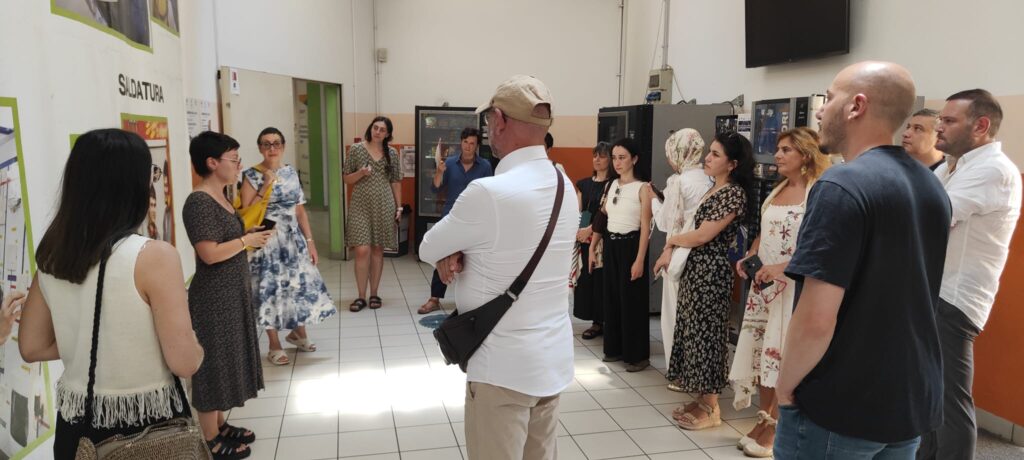
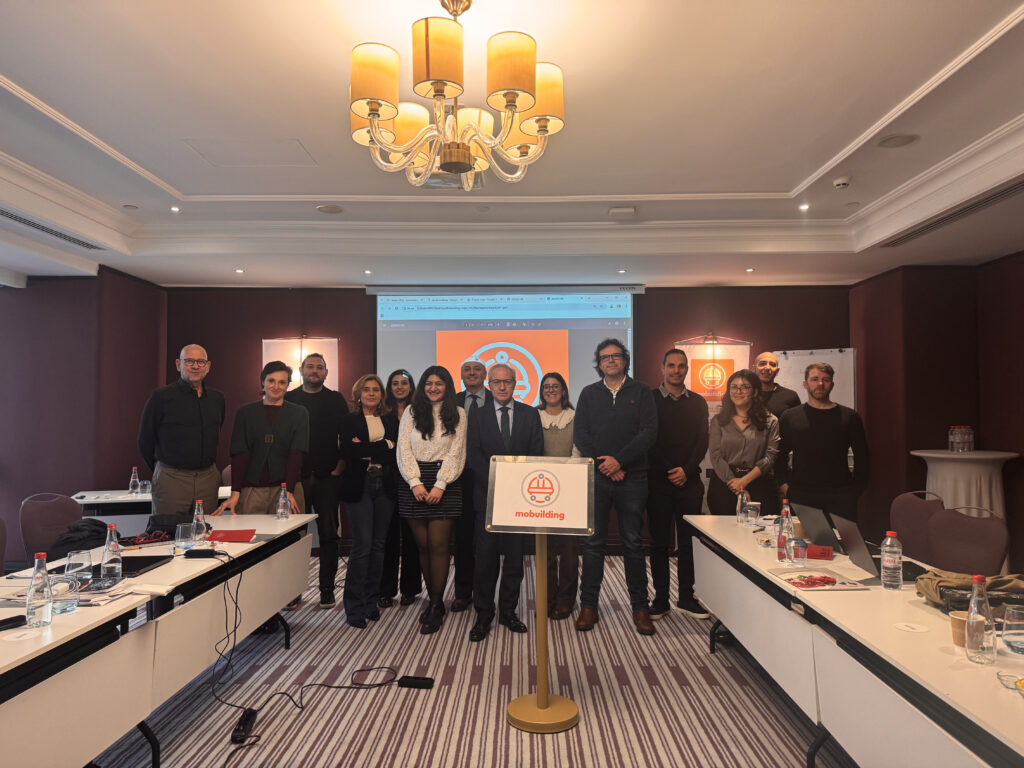
The MOBUILDING consortium met in Padua, Italy, on 15–16 July 2026 for its third Transnational Project Meeting, hosted by ENAIP Veneto. The meeting marked an important moment for the project, as partners moved from the analysis and design of the MOBUILDING approach towards the preparation of its practical implementation. Under WP2, TÜRKONFED presented the first draft of the Action Plan to Foster Apprenticeship Mobility in the Building Sector in Europe, designed to translate the barriers identified through the project’s research into strategic priorities and recommendations for action. Partners agreed to complete their contributions before its finalisation in August 2026. The meeting also provided an opportunity to see the first functionalities of the MOBUILDING European Platform for Apprenticeship Mobility in Building, presented by INFODEF, and to review progress on the Training Programme on Effective Management of Apprenticeship Mobility for the Building Sector. These two resources will provide organisations and professionals with a common digital environment and practical support for planning and managing apprenticeship mobility. A significant part of TPM3 focused on what comes next: putting the MOBUILDING approach into practice. Partners worked on the preparation of the pilot Apprenticeship Mobility Programme, including the selection of sending and hosting organisations and mobility participants, the development of supporting tools and the planning of mobility flows. The preparation phase was scheduled for the second half of 2026, with mobility experiences starting from January 2027. This work was complemented by discussions on the Building Apprenticeship Mobility Network, which will connect VET providers, companies, apprentices and other relevant stakeholders, and on the future Quality Assurance Protocol for Apprenticeship Mobility, which will be tested and validated alongside the pilot programme. Partners also had the opportunity to visit ENAIP Veneto’s school and laboratories, bringing the project discussions closer to the training environments in which vocational skills are developed, connecting the project’s work with the perspective of the labour market. Michelle Berzacola, HR Specialist at Elettromeccanica Veneta, joined the meeting to share the experience of the company and discuss its approach with MOBUILDING partners. They provided a concrete example of the relationship between training and employment. Elettromeccanica Veneta works in areas including electrical systems, industrial automation and technological solutions, and integrates different learning pathways into its activities, including internships, traineeships and dual apprenticeship contracts. It also invests in continuous employee training and career development. This exchange brought an important dimension to the meeting: understanding what companies need to participate effectively in training and mobility, and how stronger cooperation between VET providers and employers can contribute to meaningful work-based learning experiences. TPM3 showed how the different parts of MOBUILDING are beginning to come together: the evidence gathered through research is feeding into the Action Plan; the Platform and Training Programme are creating practical support for mobility actors; and the Network, Quality Assurance Protocol and pilot programme will provide the environment to test the project’s approach in practice.
New MOBUILDING report explores the barriers to apprenticeship mobility in the building sector
MOBUILDING has published its first major project result: the Baseline Analysis on Apprenticeship Mobility in the Building Sector (D2.1). The report provides an evidence-based overview of the main factors affecting apprenticeship mobility across the MOBUILDING countries, drawing on research into the experiences and perspectives of apprentices, VET providers, companies and other relevant stakeholders. Its analysis highlights a combination of legal and structural, administrative, economic, cultural and sector-specific barriers that can make international mobility particularly challenging in the building sector. It also underlines the important role of SMEs and the need for solutions that respond to the practical realities of construction workplaces. The Baseline provides the evidence base for the next stages of MOBUILDING. Its findings have directly informed the development of the project’s Action Plan to Foster Apprenticeship Mobility in the Building Sector in Europe, helping MOBUILDING move from identifying barriers to developing practical responses. Discover the Baseline Analysis and learn more about the challenges shaping apprenticeship mobility in Europe’s building sector.
Can mobility be part of the answer to skills shortages in the building sector?
Mobility in VET is usually associated with apprentices and students spending a period abroad. But what happens when we look at mobility from a broader skills perspective? During the second MOBUILDING Transnational Project Meeting in Istanbul, Agustín Sigüenza, General Director of VET at the Regional Ministry of Education of Castilla y León, invited partners to explore this question through a presentation on Global Skills Partnerships (GSPs) and different mobility approaches. The starting point was an important distinction: mobility can support the practical training of apprentices abroad, but it can also facilitate the mobility of skilled workers and contribute to addressing skills and labour shortages. In other words, we are talking about different people, objectives and models: from traineeships, internships and apprenticeships for VET learners to reskilling and upskilling linked to worker mobility. And the building sector makes this discussion particularly relevant. In Spain, where the sector represented 5.6% of national GVA in 2021 and 5.2% of total employment in 2022, while facing a substantial need for workers. Looking ahead, around 740,000 job opportunities are expected in the sector between 2023 and 2035, around 170,000 of them linked to vocational training. At the same time, mobility is not straightforward. We find challenges ranging from language and recognition of qualifications to bureaucracy and legal barriers when recruiting internationally, and some very specific difficulties affecting VET mobility in the Spanish building sector: low participation in building-related VET, limited foreign-language proficiency among many learners and a preference among students for finding employment locally rather than considering opportunities abroad. Global Skills Partnerships are conceived as partnerships between countries of origin and destination that connect skills development and labour mobility, bringing together public and private actors. Their potential goes beyond filling vacancies: properly designed, they can respond to labour-market needs in destination countries while supporting skills development in countries of origin and incorporating the protection and interests of mobile workers. Existing approaches face challenges around private-sector engagement, funding, sustainability, time, scale, stakeholder complexity and regulatory frameworks. And this raises an interesting question: could stronger business-to-business (B2B) skills partnerships offer another way forward? A B2B approach could potentially create benefits on several sides: participants gain training and professional opportunities; employers can access skills that are difficult to find; and countries of origin may benefit from skills development and from workers who remain or eventually return with additional expertise. At the same time, these interests do not automatically align. What benefits an employer is not necessarily beneficial for the worker, the country of origin or the wider labour market in the destination country. One of the ideas explored was a model connecting companies, training centres, potential participants and public authorities across countries of origin and destination, with mobility, training and skills recognition supported through cooperation structures such as the future MOBUILDING network. MOBUILDING is not developing a Global Skills Partnership as such. But the discussion opens up a useful perspective for the project: how can we build mobility structures that work not only for individual apprentices, but also for VET providers, companies, public authorities and the wider skills ecosystem? That means looking beyond the mobility itself and asking how training, recognition, business participation, public governance and long-term cooperation can work together , because making mobility possible is only part of the challenge. Making it useful, fair and sustainable for everyone involved is the bigger one.
MOBUILDING partners meet in Istanbul to move from research to action
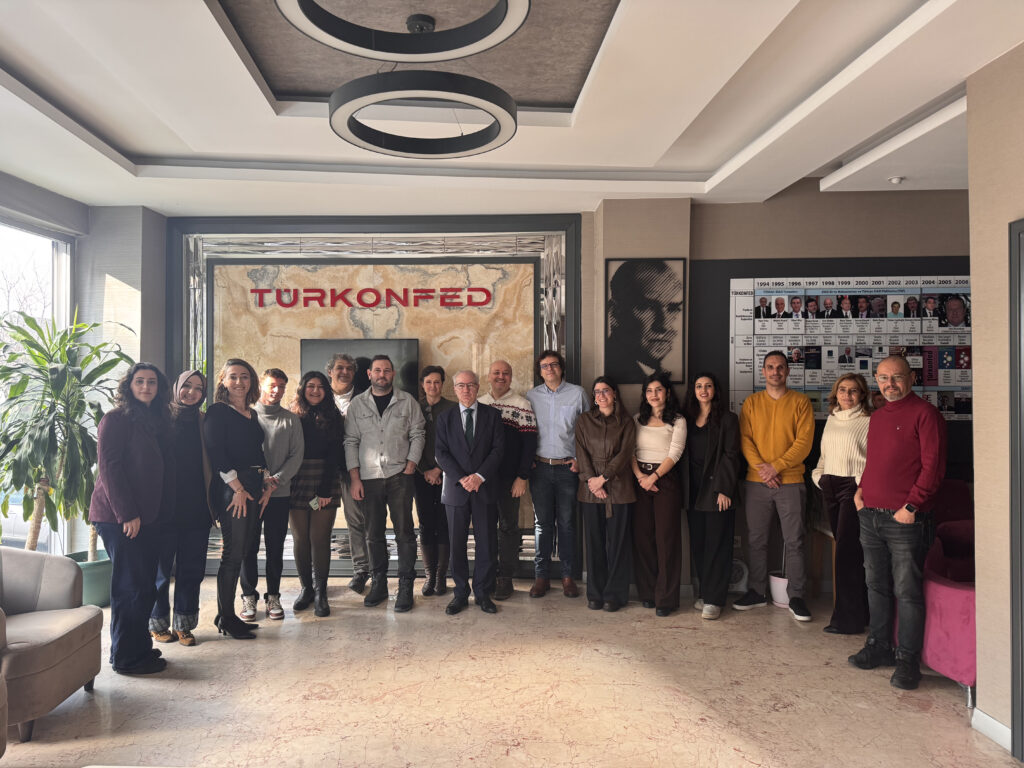
The MOBUILDING consortium gathered in Istanbul, Türkiye, on 13–14 January 2026 for its second Transnational Project Meeting, bringing partners together to review the progress achieved during the first months of the project and coordinate the next steps towards more accessible and effective apprenticeship mobility in the building sector. Hosted in Istanbul, the two-day meeting combined internal project coordination with exchanges involving education, business and mobility stakeholders, providing an opportunity to connect the work being developed within MOBUILDING with different perspectives on international apprenticeship and learning mobility. Beyond the internal project work, TPM2 provided an opportunity to look at apprenticeship mobility from different institutional and practical perspectives. D. Agustín Sigüenza, General Director of VET at the Regional Ministry of Education of Castilla y León, introduced Global Skills Partnerships and different approaches to international mobility, which contributed to a wider discussion within the consortium on how MOBUILDING can support different mobility models alongside the Erasmus+ framework. The second day broadened this exchange further along different sessions addresing the business perspective on the building sector and apprenticeship mobility, institutional approaches to international mobility in engineering and construction, students’ first-hand mobility experiences, and the contribution of companies involved in hosting or sending participants abroad. These exchanges helped connect the strategic work of MOBUILDING with the experiences and needs of the organisations and people directly involved in mobility, building the next steps together. Stay connected to follow the next steps of MOBUILDING!
MOBUILDING, ÜSKÜP’TE DÜZENLENEN AVRUPA MÜKEMMELİYET MERKEZİ AÇILIŞ HAFTASI – Science & Tech SPACE Park Etkinliğine Katıldı

12–18 Eylül 2025 tarihleri arasında MOBUILDING projesi, Kuzey Makedonya’nın Üsküp kentinde gerçekleştirilen AB Mükemmeliyet Merkezi SPACE Park Açılış Haftası etkinliğine katıldı. Bu etkinlik, mesleki eğitim ve öğretimde (VET) yenilik, mükemmeliyet ve iş birliğine adanmış önemli bir Avrupa buluşması niteliğindeydi. SPACE Park girişimi, dijital ve yeşil dönüşüm alanlarında AB hedefleriyle uyumlu olarak mesleki eğitim, araştırma, girişimcilik ve akıllı uzmanlaşma konularında bölgesel mükemmeliyet merkezleri oluşturmayı teşvik etmektedir. Açılış Haftası, Avrupa genelinden paydaşları bir araya getirerek Akıllı Elektrik Sistemleri, İleri Üretim, Hareketlilik, Dijital Beceriler ve Sürdürülebilirlik gibi temalara odaklandı. 15 Eylül tarihinde, INFODEF’ten Jesús Boyano, “Mükemmeliyet için AB Destekli Projeler” başlıklı üst düzey oturumda MOBUILDING projesini tanıttı. Sunumda proje, inşaat sektöründe çıraklık hareketliliği alanındaki zorluklara yenilikçi bir yanıt olarak öne çıkarıldı. Boyano, projenin dijital platformu, eğitim programı, politika araçları ve pilot hareketlilik uygulamaları dâhil olmak üzere başlıca çıktılarından bahsetti; bu araçların Avrupa genelinde mesleki eğitim sağlayıcılarını, KOBİ’leri ve çırakları nasıl desteklediğini vurguladı. Oturum, proje tanıtımları, açılış konuşmaları, ağ kurma laboratuvarları ve politika diyalogları içeren daha geniş bir programın parçasıydı. MOBUILDING, etkinlikte SEBCoVE (Smart Electricity for Buildings) ve ELeVATE (European Learning VET Alliance for Transition and Employment) gibi önemli Avrupa girişimleriyle birlikte sunuldu. Hafta boyunca katılımcılar, uygulamalı atölye çalışmaları, ortak üretim oturumları ve tematik paneller aracılığıyla Mesleki Mükemmeliyet Merkezlerinin (CoVEs) yenilik ve bölgesel kalkınmanın itici gücü olarak nasıl rol oynayabileceğini tartıştılar. Etkinlikte ayrıca yeni öğrenme teknolojilerinin tanıtımları, kapsayıcı mükemmeliyet üzerine tartışmalar ve etkiyi artırmaya yönelik sınır ötesi ortaklıkların lansmanları gerçekleştirildi. MOBUILDING için bu etkinlik, görünürlüğünü artırmak, mükemmeliyet odaklı diğer Avrupa girişimleriyle bağlantılar kurmak ve Avrupa’da daha hareketli, yetkin ve geleceğe hazır bir inşaat iş gücü vizyonunu paylaşmak açısından değerli bir fırsat oldu.
MOBUILDING Ekibi, Castilla y León 4. Mesleki Eğitim Forumu’na Katıldı

Castilla y León 4. Mesleki Eğitim Forumu, 8–9 Nisan tarihlerinde İspanya’nın Valladolid Kongre Merkezinde gerçekleştirildi. INFODEF Direktörü Jesús Boyano Sierra, Hareketlilik ve Uluslararasılaşma konulu yuvarlak masa oturumuna katılarak, INFODEF ve MOBUILDING ekibinin Mesleki Mükemmeliyet Merkezleri (CoVEs) üzerine yürüttüğü çalışmalardan ve mesleki eğitimde küresel iş birliğini güçlendirmeye yönelik taahhütlerinden elde ettiği deneyimleri paylaştı. Forum, Avrupa Komisyonu, CEDEFOP, Avrupa Eğitim Vakfı (ETF) ve EfVET gibi kurumların temsilcilerinin de aralarında bulunduğu Avrupa genelinden önemli paydaşları bir araya getirdi. Katılımcılar, günümüzün mesleki eğitimde karşılaşılan en önemli zorluklarını ve fırsatlarını ele aldılar. Etkinlik aynı zamanda Castilla y León Skills 2025 yarışması ile eş zamanlı olarak düzenlendi. Bu yarışma, mekatronik, aşçılık, yenilenebilir enerji gibi alanlarda genç yetenekleri ön plana çıkararak bölgenin dinamizmini gözler önüne serdi. Gençlerin farklı kariyer seçeneklerini ilk elden keşfetmelerine olanak tanıyan bu etkinlik, aynı zamanda etkili kariyer rehberliğinin ve iş temelli öğrenmeyi güçlendiren bir eğitim sisteminin önemini vurguladı. MOBUILDING proje ekibi, mesleki eğitim ve mükemmeliyet odaklı bu iki özel güne katılarak, VET alanındaki yenilikçi yaklaşımlar ve uluslararası iş birliği fırsatları üzerine aktif olarak katkıda bulundu.
MOBUILDING Projesinin Açılış Toplantısı İspanya’nın Valladolid Kentinde Gerçekleştirildi

9–10 Nisan tarihlerinde INFODEF, MOBUILDING projesinin açılış toplantısına ev sahipliği yaptı. Valladolid’de gerçekleştirilen bu toplantı, konsorsiyumun yedi farklı ülkeden gelen ortaklarını ilk kez yüz yüze bir araya getirdi. Etkinlik, Avrupa yapı sektöründeki çıraklık hareketliliğini yenilikçi araçlar, stratejik ortaklıklar ve politika odaklı eylemler yoluyla geliştirmeyi amaçlayan bu iddialı girişimin resmi başlangıcını simgeledi. Toplantı öncesinde proje ortakları, Castilla y León Yetenekler Forumu’na katıldı ve Bölgesel Mesleki Eğitim Yetenek Şampiyonasını ziyaret ederek, bölgesel mükemmeliyet stratejileri ve mesleki eğitim uygulamaları hakkında değerli bilgiler edindi. Toplantı, Castilla y León Bölgesel Hükûmeti Mesleki Eğitim Genel Direktörü Agustín Francisco Sigüenza tarafından resmî olarak açıldı. Sigüenza, konsorsiyumu selamlayarak, Avrupa iş birliğinin mesleki eğitim sistemlerini modernleştirmedeki ve çırakların istihdam edilebilirliğini artırmadaki önemini vurguladı. Proje koordinatörü Jesús Boyano (INFODEF), projenin genel hedeflerine ilişkin bir sunum yaparak, girişimin Avrupa Politika Deneyimi çerçevesindeki konumunu açıkladı ve üç temel boyutun altını çizdi: Politika ve Savunuculuk (Policy and Advocacy) Deneyimleme (Experimentation) Yaygınlaştırma (Mainstreaming) İki gün süren toplantı boyunca tüm ortaklar, kurumlarını, projedeki rollerini ve beklenen katkılarını sundu. Yedi ülkeden dokuz ortaktan oluşan konsorsiyum, mesleki eğitim sağlayıcıları, kamu otoriteleri, iş dünyası birlikleri, araştırma merkezleri ve politika paydaşlarını içermektedir. Ayrıca toplantıya Kuzey Makedonya ve Yunanistan’dan gelen bazı ilişkili ve misafir kuruluşlar da katılarak projenin açıklığını ve gelecekteki yaygın etkisini güçlendirdi. Çalışma oturumlarında, her bir İş Paketi (Work Package)’nin yapısı ve hedefleri ele alındı; her oturumun sonunda sorunsuz ve koordineli bir başlangıç sağlamak amacıyla eylem maddeleri ve zaman çizelgeleri belirlendi. Görüşülen önemli dönüm noktaları arasında dijital platformun lansmanı, eğitim programının tasarımı ve çıraklık hareketliliğini etkileyen kurumsal ve yapısal engeller üzerine yürütülecek araştırma yer aldı. Toplantıda ayrıca, projenin tüm yaşam döngüsü boyunca görünürlük, etki ve kalite güvencesinin önemine dikkat çekildi. Bu kapsamda bir İletişim Komitesi kurularak tanıtım faaliyetlerine liderlik edecek ekip belirlendi ve INFODEF, projenin görsel kimliği ve iletişim araçlarının ilk taslağını sundu. Açılış Toplantısı, MOBUILDING ortaklığı için güçlü bir iş birliği temeli oluşturdu ve konsorsiyumun yapı sektöründe daha kapsayıcı, bağlantılı ve geleceğe dönük bir çıraklık hareketliliği sistemi inşa etme kararlılığını yeniden teyit etti.
MOBUILDING – Yapı Sektöründe Çıraklık Hareketliliğini Desteklemeye Yönelik Stratejik Bir Yaklaşım

MOBUILDING, Avrupa genelinde yapı sektöründe çıraklık hareketliliğini desteklemek, genişletmek ve kurumsallaştırmak amacıyla stratejik ve sürdürülebilir bir yaklaşım geliştirmeyi hedefleyen bir Erasmus+ Politika Deneyimi girişimidir. Avrupa ekonomisi için kritik bir öneme sahip olan yapı sektörü, harekete geçilmesi gereken bir alandır. Bu nedenle proje; etkili çıraklık hareketliliğini kolaylaştıracak dijital ve fiziksel bir ağ ile altyapı tasarlayıp uygulamayı, mesleki eğitim sağlayıcılarının, işverenlerin ve diğer paydaşların kaliteli hareketlilik deneyimlerine katılım ve destek kapasitelerini artırmayı, hareketliliğe yönelik yasal, kültürel ve eğitimsel engelleri ele almayı ve daha kapsayıcı, erişilebilir fırsatları teşvik etmeyi amaçlamaktadır. Bu stratejiler ve yeni kaynaklar aracılığıyla MOBUILDING, AB’nin mesleki eğitimde öğrenenlerin %8’inin hareketliliğine ulaşma hedefini gerçekleştirmeye doğrudan katkı sağlayacak; eğitimleri sektör ihtiyaçlarıyla daha yakından uyumlu hale getirerek istihdam sonuçlarını iyileştirecek, sektöre özgü odak ve ulusötesi iş birliği yoluyla mesleki eğitim sistemlerini güçlendirecek ve hem ulusal hem de Avrupa düzeyinde VET politikalarının geliştirilmesine yönelik değerli veriler ve içgörüler sunarak politika entegrasyonunu artıracaktır. Ana Hedefler MOBUILDING projesi, çıraklık hareketliliği için altyapıyı güçlendirmeyi; bu sistemi daha verimli, ölçeklenebilir ve hem bölgesel hem de AB çapındaki politika hedefleriyle uyumlu hale getirmeyi titizlikle hedeflemektedir. Bu temel hedef doğrultusunda proje ayrıca şu alanlara odaklanmaktadır: 1. Çıraklık hareketliliğindeki engelleri ve yapısal zorlukları hedef almak: Yapı sektöründe çırakların hareketlilik sürecinde karşılaştıkları kurumsal ve yapısal zorlukları belirlemek amacıyla bir araştırma süreci (Inquiry) geliştirmek. Çıraklık hareketliliğini Avrupa genelinde teşvik etmek için, hareketlilikteki engelleri ele alacak stratejik ve kanıta dayalı bir çerçeve sunan bir Eylem Planı (Action Plan) oluşturmak. 2. Gönderen ve ev sahibi kuruluşları şu şekilde destekleyerek: Hareketliliği, inşaat sektöründeki İlköğretim ve Mesleki Eğitim ve Sürekli Eğitim programlarındaki tüm öğrenciler için gerçekçi bir olasılık haline getirmek ve mesleki eğitim ve öğretim öğrencileri için ortalama hareketlilik süresini artırarak hareketliliğin kalitesini ve etkisini artırmak. Mesleki eğitim ve öğretim sağlayıcılarının yüksek kaliteli hareketlilik projeleri yürütme kapasitelerini ve uluslararasılaşma stratejilerini geliştirirken inşaat sektöründe kaliteli ortaklıklar kurma becerilerini geliştirmek. Özellikle bu amaçla Avrupa araç ve gereçlerini kullanarak, yurtdışındaki hareketlilik dönemlerinin öğrenme çıktılarının kalitesini, şeffaflığını ve tanınırlığını artırmak. 3. Çıraklara ve işverenlere ulaşımı artırmak ve hareketlilik deneyimlerinin kalitesini iyileştirmek: Proje sürecinde elde edilen bulguları ve öğrenilen dersleri sentezleyerek, yapı sektöründe çıraklık hareketliliğini geliştirmeye yönelik kanıta dayalı politika önerileri hazırlamak. Kurumlar arası ortaklıkları destekleyerek, yapı sektöründe müfredatın bir parçası olarak düzenli ve sürdürülebilir hareketlilik programları uygulamak ve bu ortaklıklardan doğan yeni ikili hareketlilik fırsatlarını test etmek. Hareketlilik programlarının etkililiğini ve kalitesini güvence altına almak için kalite güvence standartları oluşturmak ve uygulamak.


