
MOBUILDING launches its European Platform for Apprenticeship Mobility in Building
MOBUILDING has reached another important milestone with the launch of its European Platform for Apprenticeship Mobility in Building (D3.1), a digital environment designed to support the organisations and professionals involved in organising and managing apprenticeship mobility in the building sector. Developed under WP3 and coordinated by INFODEF with the contribution of all project partners, the Platform brings together networking, capacity building and practical mobility-management resources in a single European environment. Its aim is to make cross-border apprenticeship mobility easier to organise and support, responding to some of the practical and organisational barriers identified during the first stages of MOBUILDING. Four spaces supporting the mobility journey The Platform is organised around four complementary areas: Partnership and Networking LoungeA space for connecting organisations interested in apprenticeship mobility and supporting cooperation between VET providers, companies and other relevant stakeholders across Europe. Capacity Building SpaceThe learning area of the Platform, providing access to the MOBUILDING Training Programme and resources designed to strengthen the capacity of professionals involved in preparing, implementing and supporting apprenticeship mobility. Apprenticeship Mobility Management ToolA practical environment supporting the organisation and follow-up of mobility experiences. Users can create a dedicated Mobility Workspace for each mobility, involve relevant actors such as in-company tutors and manage key information throughout the mobility process. Accreditation, Validation and Recognition CentreA dedicated area addressing one of the key dimensions of quality mobility: supporting the validation and recognition of the learning and competences acquired through apprenticeship experiences abroad. From resources to practical implementation The European Platform is more than a repository of project results. It has been designed as a practical environment connecting the different actors, resources and processes involved in apprenticeship mobility. It will also play an important role in the next phase of MOBUILDING. The Platform and its four areas will be tested through the pilot Apprenticeship Mobility Programme in Building, providing an opportunity to gather feedback from sending and hosting organisations, professionals and apprentices and to further refine the MOBUILDING approach based on real mobility experiences. With the launch of D3.1, MOBUILDING takes another step towards its wider objective: helping make apprenticeship mobility in the European building sector more accessible, manageable and sustainable for the organisations and people involved. Explore the MOBUILDING European Platform and discover its tools and resources:
MOBUILDING launches its Action Plan for apprenticeship mobility in the building sector
MOBUILDING has published the Action Plan to Foster Apprenticeship Mobility in the Building Sector in Europe (D2.2), providing a strategic framework to make apprenticeship mobility more accessible, effective and sustainable across Europe. Building directly on the findings of the Baseline Analysis (D2.1), the Action Plan translates the barriers identified through the project’s research into concrete priorities and actionable recommendations for VET providers, employers, intermediary organisations, social partners and public authorities. It is structured around six complementary objectives: creating a more supportive policy environment, strengthening organisational capacity, increasing SME participation, promoting inclusive and learner-centred mobility, developing future-ready skills, and building a sustainable and resilient mobility ecosystem. Rather than approaching mobility as a series of isolated experiences, D2.2 sets out a phased roadmap for implementation, monitoring and long-term sustainability. Its priorities will also guide the next MOBUILDING activities, including the European Platform, Training Programme, Building Apprenticeship Mobility Network, pilot mobility programme and Policy Toolbox. The ultimate goal is clear: to help move apprenticeship mobility from a fragmented and occasional opportunity towards a structured, recognised and sustainable part of VET in the European building sector. Discover the MOBUILDING Action Plan and the roadmap for turning mobility challenges into action.
MOBUILDING partners meet in Padua to prepare the next stage of apprenticeship mobility
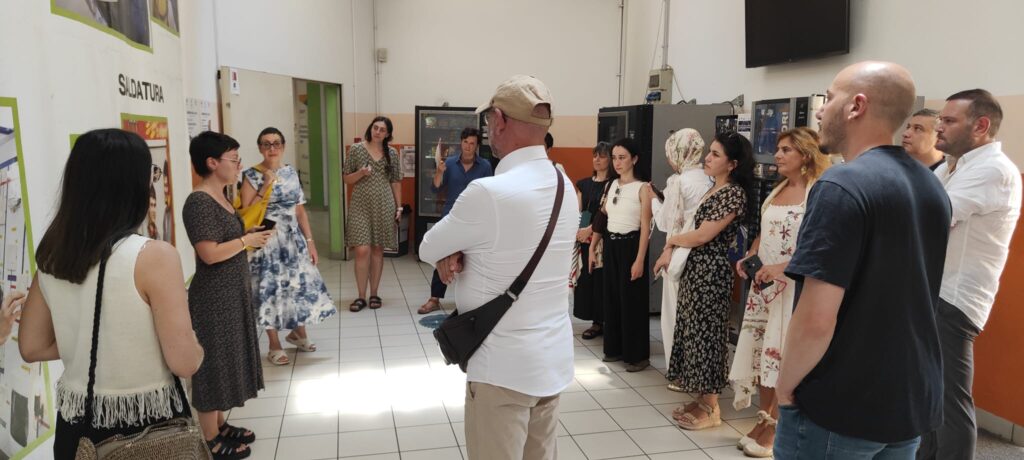
The MOBUILDING consortium met in Padua, Italy, on 15–16 July 2026 for its third Transnational Project Meeting, hosted by ENAIP Veneto. The meeting marked an important moment for the project, as partners moved from the analysis and design of the MOBUILDING approach towards the preparation of its practical implementation. Under WP2, TÜRKONFED presented the first draft of the Action Plan to Foster Apprenticeship Mobility in the Building Sector in Europe, designed to translate the barriers identified through the project’s research into strategic priorities and recommendations for action. Partners agreed to complete their contributions before its finalisation in August 2026. The meeting also provided an opportunity to see the first functionalities of the MOBUILDING European Platform for Apprenticeship Mobility in Building, presented by INFODEF, and to review progress on the Training Programme on Effective Management of Apprenticeship Mobility for the Building Sector. These two resources will provide organisations and professionals with a common digital environment and practical support for planning and managing apprenticeship mobility. A significant part of TPM3 focused on what comes next: putting the MOBUILDING approach into practice. Partners worked on the preparation of the pilot Apprenticeship Mobility Programme, including the selection of sending and hosting organisations and mobility participants, the development of supporting tools and the planning of mobility flows. The preparation phase was scheduled for the second half of 2026, with mobility experiences starting from January 2027. This work was complemented by discussions on the Building Apprenticeship Mobility Network, which will connect VET providers, companies, apprentices and other relevant stakeholders, and on the future Quality Assurance Protocol for Apprenticeship Mobility, which will be tested and validated alongside the pilot programme. Partners also had the opportunity to visit ENAIP Veneto’s school and laboratories, bringing the project discussions closer to the training environments in which vocational skills are developed, connecting the project’s work with the perspective of the labour market. Michelle Berzacola, HR Specialist at Elettromeccanica Veneta, joined the meeting to share the experience of the company and discuss its approach with MOBUILDING partners. They provided a concrete example of the relationship between training and employment. Elettromeccanica Veneta works in areas including electrical systems, industrial automation and technological solutions, and integrates different learning pathways into its activities, including internships, traineeships and dual apprenticeship contracts. It also invests in continuous employee training and career development. This exchange brought an important dimension to the meeting: understanding what companies need to participate effectively in training and mobility, and how stronger cooperation between VET providers and employers can contribute to meaningful work-based learning experiences. TPM3 showed how the different parts of MOBUILDING are beginning to come together: the evidence gathered through research is feeding into the Action Plan; the Platform and Training Programme are creating practical support for mobility actors; and the Network, Quality Assurance Protocol and pilot programme will provide the environment to test the project’s approach in practice.
New MOBUILDING report explores the barriers to apprenticeship mobility in the building sector
MOBUILDING has published its first major project result: the Baseline Analysis on Apprenticeship Mobility in the Building Sector (D2.1). The report provides an evidence-based overview of the main factors affecting apprenticeship mobility across the MOBUILDING countries, drawing on research into the experiences and perspectives of apprentices, VET providers, companies and other relevant stakeholders. Its analysis highlights a combination of legal and structural, administrative, economic, cultural and sector-specific barriers that can make international mobility particularly challenging in the building sector. It also underlines the important role of SMEs and the need for solutions that respond to the practical realities of construction workplaces. The Baseline provides the evidence base for the next stages of MOBUILDING. Its findings have directly informed the development of the project’s Action Plan to Foster Apprenticeship Mobility in the Building Sector in Europe, helping MOBUILDING move from identifying barriers to developing practical responses. Discover the Baseline Analysis and learn more about the challenges shaping apprenticeship mobility in Europe’s building sector.
Can mobility be part of the answer to skills shortages in the building sector?
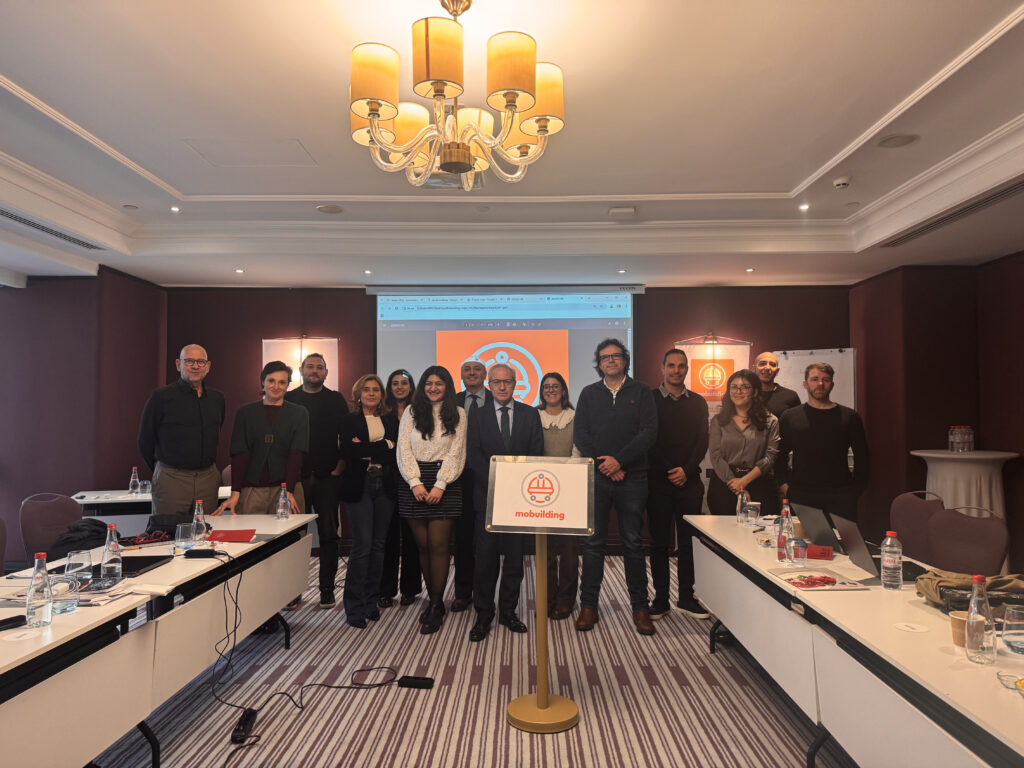
Mobility in VET is usually associated with apprentices and students spending a period abroad. But what happens when we look at mobility from a broader skills perspective? During the second MOBUILDING Transnational Project Meeting in Istanbul, Agustín Sigüenza, General Director of VET at the Regional Ministry of Education of Castilla y León, invited partners to explore this question through a presentation on Global Skills Partnerships (GSPs) and different mobility approaches. The starting point was an important distinction: mobility can support the practical training of apprentices abroad, but it can also facilitate the mobility of skilled workers and contribute to addressing skills and labour shortages. In other words, we are talking about different people, objectives and models: from traineeships, internships and apprenticeships for VET learners to reskilling and upskilling linked to worker mobility. And the building sector makes this discussion particularly relevant. In Spain, where the sector represented 5.6% of national GVA in 2021 and 5.2% of total employment in 2022, while facing a substantial need for workers. Looking ahead, around 740,000 job opportunities are expected in the sector between 2023 and 2035, around 170,000 of them linked to vocational training. At the same time, mobility is not straightforward. We find challenges ranging from language and recognition of qualifications to bureaucracy and legal barriers when recruiting internationally, and some very specific difficulties affecting VET mobility in the Spanish building sector: low participation in building-related VET, limited foreign-language proficiency among many learners and a preference among students for finding employment locally rather than considering opportunities abroad. Global Skills Partnerships are conceived as partnerships between countries of origin and destination that connect skills development and labour mobility, bringing together public and private actors. Their potential goes beyond filling vacancies: properly designed, they can respond to labour-market needs in destination countries while supporting skills development in countries of origin and incorporating the protection and interests of mobile workers. Existing approaches face challenges around private-sector engagement, funding, sustainability, time, scale, stakeholder complexity and regulatory frameworks. And this raises an interesting question: could stronger business-to-business (B2B) skills partnerships offer another way forward? A B2B approach could potentially create benefits on several sides: participants gain training and professional opportunities; employers can access skills that are difficult to find; and countries of origin may benefit from skills development and from workers who remain or eventually return with additional expertise. At the same time, these interests do not automatically align. What benefits an employer is not necessarily beneficial for the worker, the country of origin or the wider labour market in the destination country. One of the ideas explored was a model connecting companies, training centres, potential participants and public authorities across countries of origin and destination, with mobility, training and skills recognition supported through cooperation structures such as the future MOBUILDING network. MOBUILDING is not developing a Global Skills Partnership as such. But the discussion opens up a useful perspective for the project: how can we build mobility structures that work not only for individual apprentices, but also for VET providers, companies, public authorities and the wider skills ecosystem? That means looking beyond the mobility itself and asking how training, recognition, business participation, public governance and long-term cooperation can work together , because making mobility possible is only part of the challenge. Making it useful, fair and sustainable for everyone involved is the bigger one.
MOBUILDING partners meet in Istanbul to move from research to action
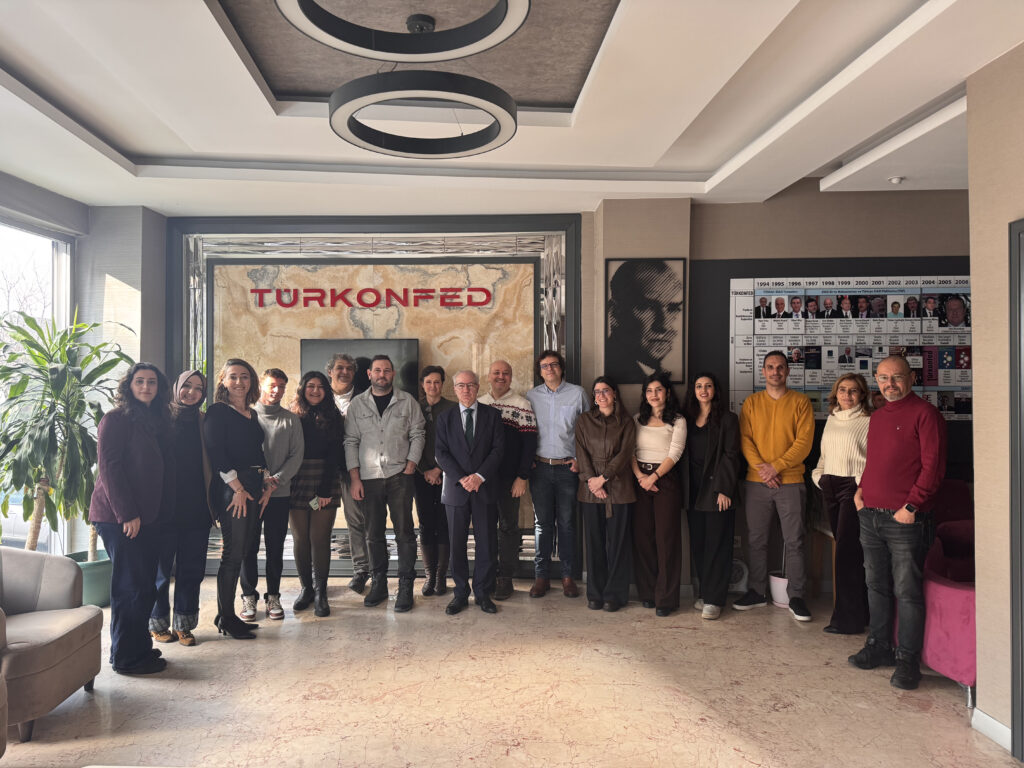
The MOBUILDING consortium gathered in Istanbul, Türkiye, on 13–14 January 2026 for its second Transnational Project Meeting, bringing partners together to review the progress achieved during the first months of the project and coordinate the next steps towards more accessible and effective apprenticeship mobility in the building sector. Hosted in Istanbul, the two-day meeting combined internal project coordination with exchanges involving education, business and mobility stakeholders, providing an opportunity to connect the work being developed within MOBUILDING with different perspectives on international apprenticeship and learning mobility. Beyond the internal project work, TPM2 provided an opportunity to look at apprenticeship mobility from different institutional and practical perspectives. D. Agustín Sigüenza, General Director of VET at the Regional Ministry of Education of Castilla y León, introduced Global Skills Partnerships and different approaches to international mobility, which contributed to a wider discussion within the consortium on how MOBUILDING can support different mobility models alongside the Erasmus+ framework. The second day broadened this exchange further along different sessions addresing the business perspective on the building sector and apprenticeship mobility, institutional approaches to international mobility in engineering and construction, students’ first-hand mobility experiences, and the contribution of companies involved in hosting or sending participants abroad. These exchanges helped connect the strategic work of MOBUILDING with the experiences and needs of the organisations and people directly involved in mobility, building the next steps together. Stay connected to follow the next steps of MOBUILDING!
MOBUILDING ha partecipato alla SETTIMANA DI APERTURA DELL’EUROPEAN EXCELLENCE CENTER Science & Tech SPACE Park Skopje

Dal 12 al 18 settembre 2025, il progetto MOBUILDING ha partecipato alla Settimana di apertura dell’EU Excellence Center SPACE Park a Skopje, nella Macedonia del Nord, un evento chiave europeo dedicato all’innovazione, all’eccellenza e alla cooperazione nell’istruzione e formazione professionale (IFP). L’iniziativa SPACE Park promuove la creazione di hub regionali di eccellenza nell’ambito dell’IFP, della ricerca, dell’imprenditorialità e della specializzazione intelligente, in linea con gli obiettivi dell’UE per la transizione digitale e verde. La Settimana di apertura ha riunito partner provenienti da tutta Europa, con un’attenzione particolare per l’elettricità intelligente, la produzione avanzata, la mobilità, le competenze digitali e la sostenibilità. Il 15 settembre, Jesús Boyano (INFODEF) ha presentato MOBUILDING durante la sessione di alto livello “Progetti finanziati dall’UE per l’eccellenza”, dove il progetto è stato evidenziato come una risposta innovativa alle sfide della mobilità degli apprendisti nel settore dell’edilizia. La presentazione ha illustrato i principali risultati del progetto, tra cui la piattaforma digitale, il programma di formazione, gli strumenti politici e le esperienze pilota di mobilità progettate per supportare i fornitori di IFP, le PMI e gli apprendisti in tutta Europa. La sessione faceva parte di un programma più ampio che comprendeva presentazioni di progetti, discorsi programmatici, laboratori di networking e dialoghi politici. MOBUILDING è stato presentato insieme ad altre importanti iniziative europee come SEBCoVE (Smart Electricity for Buildings) ed ELeVATE (European Learning VET Alliance for Transition and Employment). Durante tutta la settimana, i partecipanti hanno preso parte a workshop pratici, sessioni di co-creazione e tavole rotonde tematiche su come i Centri di eccellenza professionale (CoVEs) possano fungere da motori per l’innovazione e lo sviluppo regionale. L’evento ha anche previsto dimostrazioni di nuove tecnologie di apprendimento, discussioni sull’eccellenza inclusiva e il lancio di partnariati transfrontalieri volti ad aumentare l’impatto. Per MOBUILDING, l’evento è stato un’occasione preziosa per rafforzare la propria visibilità, entrare in contatto con altre iniziative orientate all’eccellenza e condividere la propria visione di una forza lavoro nel settore edile più mobile, qualificata e pronta per il futuro in Europa.
Il team MOBUILDING partecipa al IV Forum sulla formazione professionale della regione Castilla y León

Il IV Forum sull’istruzione e la formazione professionale della regione Castilla y León si è tenuto l’8 e il 9 aprile presso il Centro Congressi di Valladolid (Spagna). Il direttore di INFODEF, Jesús Boyano Sierra, ha partecipato alla tavola rotonda sulla mobilità e l’internazionalizzazione, contribuendo con le intuizioni del lavoro di INFODEF e del team MOBUILDING sui Centri di eccellenza professionale e il nostro impegno nella cooperazione globale nell’istruzione e formazione professionale. Il forum ha riunito le voci più autorevoli di tutta Europa – dalla Commissione Europea, al CEDEFOP, alla Fondazione Europea per la Formazione e all’EfVET – per affrontare le sfide e le opportunità più urgenti nell’ambito della formazione professionale odierna. Il forum ha coinciso con il concorso Castilla y León Skills 2025, che ha messo in luce i giovani talenti della regione in settori quali la meccatronica, la cucina, le energie rinnovabili e altro ancora. Questo evento è un’importante vetrina che aiuta i giovani a scoprire in prima persona le varie alternative di carriera a loro disposizione. Un efficace orientamento professionale e un sistema educativo che valorizzi le esperienze di apprendimento basate sul lavoro sono fondamentali per sviluppare il loro potenziale. Il team del progetto MOBUILDING ha partecipato all’evento per queste due giornate straordinarie dedicate all’istruzione e alla formazione professionale e all’eccellenza nell’IFP.
Incontro di avvio del progetto MOBUILDING a Valladolid, Spagna

Il 9 e 10 aprile, INFODEF ha ospitato l’incontro di avvio del progetto MOBUILDING a Valladolid, riunendo i partner di sette paesi per la prima riunione di persona del consorzio. L’evento ha segnato il lancio ufficiale di questa ambiziosa iniziativa, che mira a migliorare la mobilità degli apprendisti nel settore edile europeo attraverso strumenti innovativi, partnership strategiche e azioni guidate dalle politiche. Prima dell’incontro, i partner hanno partecipato al Castilla y León Skills Forum e hanno visitato il Regional VET Skills Championship, acquisendo preziose informazioni sulle strategie di eccellenza regionali nell’istruzione e formazione professionale. L’incontro è stato ufficialmente aperto da Agustín Francisco Sigüenza, direttore generale per l’IFP presso il governo regionale di Castilla y León, che ha dato il benvenuto al consorzio e ha sottolineato l’importanza della collaborazione europea per modernizzare i sistemi di IFP e migliorare l’occupabilità degli apprendisti. Il coordinatore del progetto, Jesús Boyano (INFODEF), ha presentato una panoramica degli obiettivi del progetto e ne ha illustrato il quadro di riferimento all’interno della Sperimentazione delle Politiche Europee, sottolineando le sue tre dimensioni guida: – Politiche e advocacy – Sperimentazione – Disseminazione e integrazione Durante l’incontro della durata di due giorni, tutti i partner hanno presentato le loro istituzioni, i loro ruoli e i contributi previsti. Il consorzio, composto da nove partner provenienti da sette paesi, comprende centri di IFP, autorità pubbliche, associazioni imprenditoriali, centri di ricerca e soggetti politici interessati. Alla riunione hanno partecipato anche diverse organizzazioni associate e ospiti provenienti dalla Macedonia del Nord e dalla Grecia, contribuendo all’apertura e alla futura diffusione del progetto. Le sessioni di lavoro hanno riguardato la struttura e gli obiettivi di ciascun pacchetto di lavoro, e ciascuna sessione si è conclusa con piani d’azione e scadenze concordate per garantire un avvio fluido e coordinato delle attività del progetto. Tra le tappe fondamentali discusse figurano il lancio della piattaforma digitale, la progettazione del programma di formazione e la ricerca sulle barriere istituzionali e strutturali che ostacolano la mobilità degli apprendisti. L’incontro ha inoltre sottolineato l’importanza della visibilità, dell’impatto e della garanzia di qualità durante l’intero ciclo di vita del progetto. È stato istituito un Comitato per la Comunicazione incaricato di guidare le attività di divulgazione, e INFODEF ha presentato la prima bozza dell’identità visiva e degli strumenti di comunicazione. La riunione di avvio ha gettato solide basi di collaborazione per il partenariato MOBUILDING, ribadendo l’impegno del consorzio a costruire un sistema di mobilità degli apprendisti più inclusivo, connesso e orientato al futuro nel settore dell’edilizia.
MOBUILDING – Un approccio strategico per sostenere la mobilità degli apprendisti nel settore edile

MOBUILDING è un’iniziativa di Sperimentazione Politica del programma Erasmus+ che mira a sviluppare un approccio strategico e sostenibile per sostenere, ampliare e istituzionalizzare la mobilità degli apprendisti nel settore delle costruzioni in tutta Europa. Un settore critico per l’economia europea come quello dell’edilizia ha bisogno di interventi concreti. È necessario progettare e implementare una rete e un’infrastruttura digitale e fisica per facilitare una mobilità efficace degli apprendisti, migliorare la capacità dei centri di istruzione e formazione professionale, dei datori di lavoro e di altre parti interessate di impegnarsi e sostenere esperienze di mobilità di alta qualità, affrontare le barriere legali, culturali ed educative alla mobilità e promuovere opportunità più inclusive e accessibili. Attraverso queste strategie, MOBUILDING contribuirà direttamente al raggiungimento dell’obiettivo dell’UE dell’8% di mobilità degli studenti dell’IFP, migliorerà i risultati occupazionali allineando più efficacemente la formazione alle esigenze del settore, rafforzerà i sistemi di IFP attraverso un’attenzione specifica al settore e la collaborazione transnazionale e migliorerà l’integrazione delle politiche fornendo preziose informazioni e dati a sostegno del perfezionamento delle politiche di IFP a livello sia nazionale che europeo. Obiettivi principali Il progetto MOBUILDING persegue meticolosamente il miglioramento delle infrastrutture per la mobilità degli apprendisti, rendendole più efficienti, scalabili e in linea con gli obiettivi politici regionali e dell’UE. Concentrandosi su questo obiettivo fondamentale, il progetto si occupa di: 1. Affrontare le barriere e gli ostacoli strutturali alla mobilità degli apprendisti attraverso: Un’indagine sul percorso degli apprendisti attraverso le sfide istituzionali e strutturali per la mobilità nel settore edile, al fine di identificare gli ostacoli principali. Un piano d’azione per promuovere la mobilità degli apprendisti nel settore edile in Europa, fornendo un quadro strategico basato su dati concreti per affrontare gli ostacoli alla mobilità degli apprendisti. 2. Il supporto alle organizzazioni di invio e di accoglienza per: Rendere la mobilità una possibilità realistica per qualsiasi studente dei programmi di formazione professionale iniziale e continua nel settore edile e aumentare la durata media della mobilità per gli studenti IFP al fine di migliorarne la qualità e l’impatto. Sviluppare la capacità dei centri IFP di realizzare progetti di mobilità di alta qualità e la loro capacità di formare partenariati di qualità nel settore dell’edilizia, sviluppando al contempo la loro strategia di internazionalizzazione. Promuovere la qualità, la trasparenza e il riconoscimento dei risultati dell’apprendimento nei periodi di mobilità all’estero, in particolare utilizzando strumenti e mezzi europei a tal fine. 3. Rafforzare il coinvolgimento di apprendisti e datori di lavoro e migliorare la qualità delle esperienze di mobilità formativa attraverso: Sintesi dei risultati e delle lezioni apprese dallo sviluppo del progetto, al fine di elaborare raccomandazioni politiche basate su evidenze volte a potenziare la mobilità degli apprendisti nel settore delle costruzioni. Sostenere partenariati tra organizzazioni per implementare schemi di mobilità stabili e regolari nel settore edilizio come parte integrante dei curricula, e sperimentare nuove opportunità di mobilità bilaterale derivanti da tali collaborazioni. Creare e attuare standard di garanzia della qualità per assicurare l’efficacia e l’elevato livello qualitativo dei programmi di mobilità.


