
MOBUILDING launches its European Platform for Apprenticeship Mobility in Building
MOBUILDING has reached another important milestone with the launch of its European Platform for Apprenticeship Mobility in Building (D3.1), a digital environment designed to support the organisations and professionals involved in organising and managing apprenticeship mobility in the building sector. Developed under WP3 and coordinated by INFODEF with the contribution of all project partners, the Platform brings together networking, capacity building and practical mobility-management resources in a single European environment. Its aim is to make cross-border apprenticeship mobility easier to organise and support, responding to some of the practical and organisational barriers identified during the first stages of MOBUILDING. Four spaces supporting the mobility journey The Platform is organised around four complementary areas: Partnership and Networking LoungeA space for connecting organisations interested in apprenticeship mobility and supporting cooperation between VET providers, companies and other relevant stakeholders across Europe. Capacity Building SpaceThe learning area of the Platform, providing access to the MOBUILDING Training Programme and resources designed to strengthen the capacity of professionals involved in preparing, implementing and supporting apprenticeship mobility. Apprenticeship Mobility Management ToolA practical environment supporting the organisation and follow-up of mobility experiences. Users can create a dedicated Mobility Workspace for each mobility, involve relevant actors such as in-company tutors and manage key information throughout the mobility process. Accreditation, Validation and Recognition CentreA dedicated area addressing one of the key dimensions of quality mobility: supporting the validation and recognition of the learning and competences acquired through apprenticeship experiences abroad. From resources to practical implementation The European Platform is more than a repository of project results. It has been designed as a practical environment connecting the different actors, resources and processes involved in apprenticeship mobility. It will also play an important role in the next phase of MOBUILDING. The Platform and its four areas will be tested through the pilot Apprenticeship Mobility Programme in Building, providing an opportunity to gather feedback from sending and hosting organisations, professionals and apprentices and to further refine the MOBUILDING approach based on real mobility experiences. With the launch of D3.1, MOBUILDING takes another step towards its wider objective: helping make apprenticeship mobility in the European building sector more accessible, manageable and sustainable for the organisations and people involved. Explore the MOBUILDING European Platform and discover its tools and resources:
MOBUILDING launches its Action Plan for apprenticeship mobility in the building sector
MOBUILDING has published the Action Plan to Foster Apprenticeship Mobility in the Building Sector in Europe (D2.2), providing a strategic framework to make apprenticeship mobility more accessible, effective and sustainable across Europe. Building directly on the findings of the Baseline Analysis (D2.1), the Action Plan translates the barriers identified through the project’s research into concrete priorities and actionable recommendations for VET providers, employers, intermediary organisations, social partners and public authorities. It is structured around six complementary objectives: creating a more supportive policy environment, strengthening organisational capacity, increasing SME participation, promoting inclusive and learner-centred mobility, developing future-ready skills, and building a sustainable and resilient mobility ecosystem. Rather than approaching mobility as a series of isolated experiences, D2.2 sets out a phased roadmap for implementation, monitoring and long-term sustainability. Its priorities will also guide the next MOBUILDING activities, including the European Platform, Training Programme, Building Apprenticeship Mobility Network, pilot mobility programme and Policy Toolbox. The ultimate goal is clear: to help move apprenticeship mobility from a fragmented and occasional opportunity towards a structured, recognised and sustainable part of VET in the European building sector. Discover the MOBUILDING Action Plan and the roadmap for turning mobility challenges into action.
MOBUILDING partners meet in Padua to prepare the next stage of apprenticeship mobility
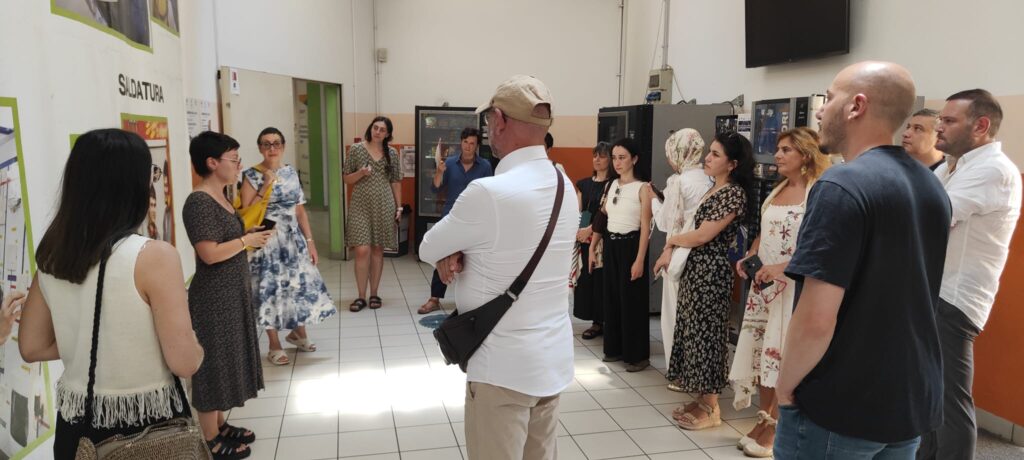
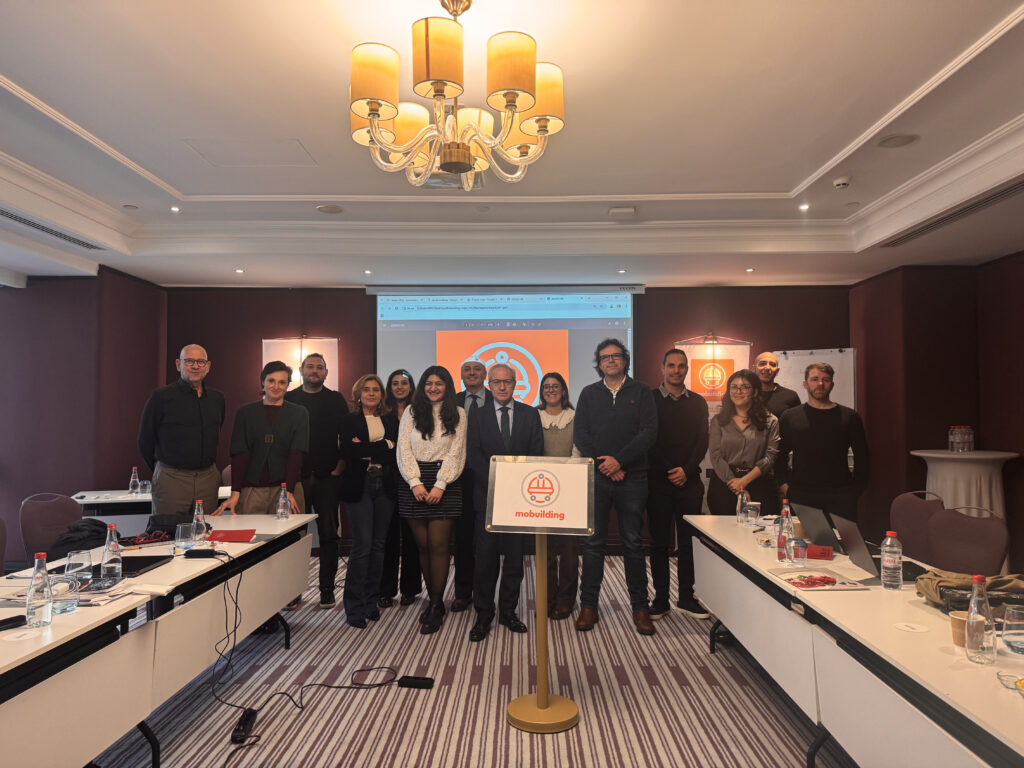
The MOBUILDING consortium met in Padua, Italy, on 15–16 July 2026 for its third Transnational Project Meeting, hosted by ENAIP Veneto. The meeting marked an important moment for the project, as partners moved from the analysis and design of the MOBUILDING approach towards the preparation of its practical implementation. Under WP2, TÜRKONFED presented the first draft of the Action Plan to Foster Apprenticeship Mobility in the Building Sector in Europe, designed to translate the barriers identified through the project’s research into strategic priorities and recommendations for action. Partners agreed to complete their contributions before its finalisation in August 2026. The meeting also provided an opportunity to see the first functionalities of the MOBUILDING European Platform for Apprenticeship Mobility in Building, presented by INFODEF, and to review progress on the Training Programme on Effective Management of Apprenticeship Mobility for the Building Sector. These two resources will provide organisations and professionals with a common digital environment and practical support for planning and managing apprenticeship mobility. A significant part of TPM3 focused on what comes next: putting the MOBUILDING approach into practice. Partners worked on the preparation of the pilot Apprenticeship Mobility Programme, including the selection of sending and hosting organisations and mobility participants, the development of supporting tools and the planning of mobility flows. The preparation phase was scheduled for the second half of 2026, with mobility experiences starting from January 2027. This work was complemented by discussions on the Building Apprenticeship Mobility Network, which will connect VET providers, companies, apprentices and other relevant stakeholders, and on the future Quality Assurance Protocol for Apprenticeship Mobility, which will be tested and validated alongside the pilot programme. Partners also had the opportunity to visit ENAIP Veneto’s school and laboratories, bringing the project discussions closer to the training environments in which vocational skills are developed, connecting the project’s work with the perspective of the labour market. Michelle Berzacola, HR Specialist at Elettromeccanica Veneta, joined the meeting to share the experience of the company and discuss its approach with MOBUILDING partners. They provided a concrete example of the relationship between training and employment. Elettromeccanica Veneta works in areas including electrical systems, industrial automation and technological solutions, and integrates different learning pathways into its activities, including internships, traineeships and dual apprenticeship contracts. It also invests in continuous employee training and career development. This exchange brought an important dimension to the meeting: understanding what companies need to participate effectively in training and mobility, and how stronger cooperation between VET providers and employers can contribute to meaningful work-based learning experiences. TPM3 showed how the different parts of MOBUILDING are beginning to come together: the evidence gathered through research is feeding into the Action Plan; the Platform and Training Programme are creating practical support for mobility actors; and the Network, Quality Assurance Protocol and pilot programme will provide the environment to test the project’s approach in practice.
New MOBUILDING report explores the barriers to apprenticeship mobility in the building sector
MOBUILDING has published its first major project result: the Baseline Analysis on Apprenticeship Mobility in the Building Sector (D2.1). The report provides an evidence-based overview of the main factors affecting apprenticeship mobility across the MOBUILDING countries, drawing on research into the experiences and perspectives of apprentices, VET providers, companies and other relevant stakeholders. Its analysis highlights a combination of legal and structural, administrative, economic, cultural and sector-specific barriers that can make international mobility particularly challenging in the building sector. It also underlines the important role of SMEs and the need for solutions that respond to the practical realities of construction workplaces. The Baseline provides the evidence base for the next stages of MOBUILDING. Its findings have directly informed the development of the project’s Action Plan to Foster Apprenticeship Mobility in the Building Sector in Europe, helping MOBUILDING move from identifying barriers to developing practical responses. Discover the Baseline Analysis and learn more about the challenges shaping apprenticeship mobility in Europe’s building sector.
Can mobility be part of the answer to skills shortages in the building sector?
Mobility in VET is usually associated with apprentices and students spending a period abroad. But what happens when we look at mobility from a broader skills perspective? During the second MOBUILDING Transnational Project Meeting in Istanbul, Agustín Sigüenza, General Director of VET at the Regional Ministry of Education of Castilla y León, invited partners to explore this question through a presentation on Global Skills Partnerships (GSPs) and different mobility approaches. The starting point was an important distinction: mobility can support the practical training of apprentices abroad, but it can also facilitate the mobility of skilled workers and contribute to addressing skills and labour shortages. In other words, we are talking about different people, objectives and models: from traineeships, internships and apprenticeships for VET learners to reskilling and upskilling linked to worker mobility. And the building sector makes this discussion particularly relevant. In Spain, where the sector represented 5.6% of national GVA in 2021 and 5.2% of total employment in 2022, while facing a substantial need for workers. Looking ahead, around 740,000 job opportunities are expected in the sector between 2023 and 2035, around 170,000 of them linked to vocational training. At the same time, mobility is not straightforward. We find challenges ranging from language and recognition of qualifications to bureaucracy and legal barriers when recruiting internationally, and some very specific difficulties affecting VET mobility in the Spanish building sector: low participation in building-related VET, limited foreign-language proficiency among many learners and a preference among students for finding employment locally rather than considering opportunities abroad. Global Skills Partnerships are conceived as partnerships between countries of origin and destination that connect skills development and labour mobility, bringing together public and private actors. Their potential goes beyond filling vacancies: properly designed, they can respond to labour-market needs in destination countries while supporting skills development in countries of origin and incorporating the protection and interests of mobile workers. Existing approaches face challenges around private-sector engagement, funding, sustainability, time, scale, stakeholder complexity and regulatory frameworks. And this raises an interesting question: could stronger business-to-business (B2B) skills partnerships offer another way forward? A B2B approach could potentially create benefits on several sides: participants gain training and professional opportunities; employers can access skills that are difficult to find; and countries of origin may benefit from skills development and from workers who remain or eventually return with additional expertise. At the same time, these interests do not automatically align. What benefits an employer is not necessarily beneficial for the worker, the country of origin or the wider labour market in the destination country. One of the ideas explored was a model connecting companies, training centres, potential participants and public authorities across countries of origin and destination, with mobility, training and skills recognition supported through cooperation structures such as the future MOBUILDING network. MOBUILDING is not developing a Global Skills Partnership as such. But the discussion opens up a useful perspective for the project: how can we build mobility structures that work not only for individual apprentices, but also for VET providers, companies, public authorities and the wider skills ecosystem? That means looking beyond the mobility itself and asking how training, recognition, business participation, public governance and long-term cooperation can work together , because making mobility possible is only part of the challenge. Making it useful, fair and sustainable for everyone involved is the bigger one.
MOBUILDING partners meet in Istanbul to move from research to action
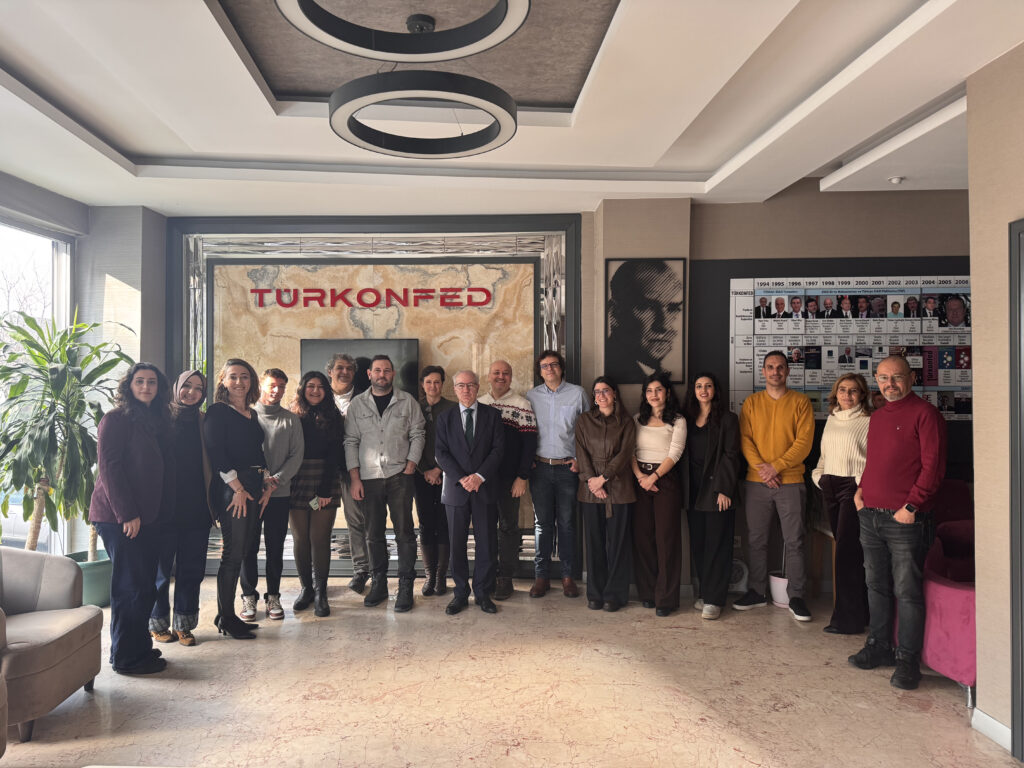
The MOBUILDING consortium gathered in Istanbul, Türkiye, on 13–14 January 2026 for its second Transnational Project Meeting, bringing partners together to review the progress achieved during the first months of the project and coordinate the next steps towards more accessible and effective apprenticeship mobility in the building sector. Hosted in Istanbul, the two-day meeting combined internal project coordination with exchanges involving education, business and mobility stakeholders, providing an opportunity to connect the work being developed within MOBUILDING with different perspectives on international apprenticeship and learning mobility. Beyond the internal project work, TPM2 provided an opportunity to look at apprenticeship mobility from different institutional and practical perspectives. D. Agustín Sigüenza, General Director of VET at the Regional Ministry of Education of Castilla y León, introduced Global Skills Partnerships and different approaches to international mobility, which contributed to a wider discussion within the consortium on how MOBUILDING can support different mobility models alongside the Erasmus+ framework. The second day broadened this exchange further along different sessions addresing the business perspective on the building sector and apprenticeship mobility, institutional approaches to international mobility in engineering and construction, students’ first-hand mobility experiences, and the contribution of companies involved in hosting or sending participants abroad. These exchanges helped connect the strategic work of MOBUILDING with the experiences and needs of the organisations and people directly involved in mobility, building the next steps together. Stay connected to follow the next steps of MOBUILDING!
MOBUILDING se unió a la SEMANA DE INAUGURACIÓN DEL CENTRO DE EXCELENCIA EUROPEO Parque Científico y Tecnológico de Skopje

Del 12 al 18 de septiembre de 2025, el proyecto MOBUILDING participó en la Semana Inaugural del Centro de Excelencia de la UE SPACE Park en Skopje, Macedonia del Norte, un evento europeo clave dedicado a la innovación, la excelencia y la cooperación en la educación y formación profesional (EFP). La iniciativa SPACE Park promueve la creación de centros regionales de excelencia en EFP, investigación, emprendimiento y especialización inteligente, en línea con los objetivos de la UE para la transición digital y ecológica. La Semana Inaugural reunió a socios de toda Europa, con especial atención a la electricidad inteligente, la fabricación avanzada, la movilidad, las competencias digitales y la sostenibilidad. El 15 de septiembre, Jesús Boyano (Director de INFODEF) presentó MOBUILDING durante la sesión de alto nivel «Proyectos financiados por la UE para la excelencia», en la que se destacó el proyecto como una respuesta innovadora a los retos de la movilidad de los aprendices en el sector de la construcción. La presentación mostró los principales resultados del proyecto, incluyendo su plataforma digital, su programa de formación, sus herramientas políticas y sus experiencias piloto de movilidad diseñadas para apoyar a los proveedores de EFP, las pymes y los aprendices de toda Europa. La sesión formó parte de un programa más amplio que incluyó presentaciones de proyectos, discursos de apertura, laboratorios de networking y diálogos sobre políticas. MOBUILDING se presentó junto con otras importantes iniciativas europeas, como SEBCoVE (Electricidad inteligente para edificios) y ELeVATE (Alianza europea de formación profesional para la transición y el empleo). A lo largo de la semana, los participantes participaron en talleres prácticos, sesiones de cocreación y paneles temáticos sobre cómo los Centros de Excelencia Profesional (CoVEs) pueden actuar como motores de la innovación y el desarrollo regional. El evento también contó con demostraciones de nuevas tecnologías de aprendizaje, debates sobre la excelencia inclusiva y el lanzamiento de asociaciones transfronterizas destinadas a ampliar el impacto. Para MOBUILDING, el evento supuso una valiosa oportunidad para reforzar su visibilidad, conectar con otras iniciativas impulsadas por la excelencia y compartir su visión de una mano de obra más móvil, cualificada y preparada para el futuro en el sector de la construcción en Europa.
El equipo de MOBUILDING se une al IV Foro de Educación y Formación Profesional de Castilla y León

El IV Foro de Educación y Formación Profesional de Castilla y León se celebró los días 8 y 9 de abril en el Palacio de Congresos de Valladolid (España). El director de INFODEF, Jesús Boyano, participó en la mesa redonda sobre Movilidad e Internacionalización, aportando las ideas del trabajo del equipo de INFODEF y MOBUILDING sobre los Centros de Excelencia Profesional y nuestro compromiso con la cooperación global en la educación y formación profesional. El foro reunió a voces clave de toda Europa, desde la Comisión Europea, el CEDEFOP, la European Training Foundation y la EfVET, para abordar los retos y oportunidades más acuciantes de la formación profesional en la actualidad. El foro coincidió con el concurso Castilla y León Skills 2025, que puso de relieve el talento joven de la región en campos como la mecatrónica, la cocina, las energías renovables y otros. Este evento es un importante escaparate que ayuda a los jóvenes a descubrir de primera mano las diversas alternativas profesionales que tienen a su alcance. Una orientación profesional eficaz y un sistema educativo que potencie las experiencias de aprendizaje en el trabajo son fundamentales para desarrollar su potencial. El equipo del proyecto MOBUILDING se unió al evento durante estos dos días dedicados a la educación y la formación profesionales, y a la excelencia en la EFP.
Reunión inaugural del proyecto MOBUILDING en Valladolid, España

Los días 9 y 10 de abril, INFODEF acogió la reunión inaugural del proyecto MOBUILDING en Valladolid, que reunió a socios de siete países para la primera reunión presencial del consorcio. El evento marcó el lanzamiento oficial de esta ambiciosa iniciativa, cuyo objetivo es mejorar la movilidad de los aprendices en el sector de la construcción europeo mediante herramientas innovadoras, asociaciones estratégicas y acciones impulsadas por políticas. Antes de la reunión, los socios participaron en el Foro de Competencias de Castilla y León y visitaron el Campeonato Regional de Competencias en FP, donde obtuvieron valiosos conocimientos sobre las estrategias regionales de excelencia en la educación y la formación profesionales. La reunión fue inaugurada oficialmente por Agustín Francisco Sigüenza, director general de FP de la Junta de Castilla y León, quien dio la bienvenida al consorcio y subrayó la importancia de la colaboración europea para modernizar los sistemas de FP y mejorar la empleabilidad de los aprendices. El coordinador del proyecto, Jesús Boyano (INFODEF), ofreció una visión general de los objetivos del proyecto y describió su marco dentro de la Experimentación de Políticas Europeas, haciendo hincapié en sus tres dimensiones rectrices: – Política y promoción – Experimentación – Integración Durante la reunión de dos días, todos los socios presentaron sus instituciones, funciones y contribuciones previstas. El consorcio, compuesto por nueve socios de siete países, incluye proveedores de EFP, autoridades públicas, asociaciones empresariales, centros de investigación y partes interesadas en las políticas. La reunión también contó con la participación de varias organizaciones asociadas e invitadas de Macedonia del Norte y Grecia, lo que contribuyó a la apertura y al alcance futuro del proyecto. Las sesiones de trabajo abarcaron la estructura y los objetivos de cada paquete de trabajo, y cada sesión concluyó con puntos de acción y plazos para garantizar un inicio fluido y coordinado de las actividades del proyecto. Entre los hitos clave que se debatieron figuran el lanzamiento de la plataforma digital, el diseño del programa de formación y la próxima investigación sobre las barreras institucionales y estructurales que afectan a la movilidad de los aprendices. En la reunión también se destacó la importancia de la visibilidad, el impacto y la garantía de calidad a lo largo del ciclo de vida del proyecto. Se creó un comité de comunicación específico para dirigir las actividades de divulgación, e INFODEF presentó el primer borrador de la identidad visual y las herramientas de comunicación. La reunión de lanzamiento sentó unas bases sólidas para la colaboración entre los socios de MOBUILDING, reafirmando el compromiso del consorcio de crear un sistema de movilidad de aprendices más inclusivo, conectado y orientado al futuro en el sector de la construcción.
MOBUILDING: un enfoque estratégico para apoyar la movilidad de los aprendices en el sector de la construcción

MOBUILDING es una iniciativa Policy Experimentation del programa Erasmus+ que tiene como objetivo desarrollar un enfoque estratégico y sostenible para apoyar, ampliar e institucionalizar la movilidad de los aprendices en el sector de la construcción en toda Europa. El sector de la construcción, fundamental para la economía europea, necesita medidas. Diseñar e implementar una red e infraestructura digital y física para facilitar la movilidad efectiva de los aprendices, mejorar la capacidad de los proveedores de EFP, los empleadores y otras partes interesadas para participar y apoyar experiencias de movilidad de alta calidad, abordar las barreras legales, culturales y educativas a la movilidad y promover oportunidades más inclusivas y accesibles. A través de estas estrategias y nuevos recursos, MOBUILDING contribuirá directamente a alcanzar el objetivo de la UE de un 8 % de movilidad de los alumnos de EFP, mejorará los resultados en materia de empleo al ajustar la formación más estrechamente a las necesidades de la industria, reforzará los sistemas de EFP mediante un enfoque específico por sectores y la colaboración transnacional, y mejorará la integración de las políticas al proporcionar información y datos valiosos para apoyar el perfeccionamiento de las políticas de EFP tanto a nivel nacional como europeo. Objetivos principales El proyecto MOBUILDING persigue meticulosamente mejorar la infraestructura para la movilidad de los aprendices, haciéndola más eficiente, escalable y alineada con los objetivos políticos tanto regionales como de toda la UE. Con ese enfoque en este objetivo fundamental, el proyecto también aborda: 1. Abordar las barreras y los obstáculos estructurales a la movilidad de los aprendices mediante: Elaboración de un estudio sobre la trayectoria de los aprendices a través de los retos institucionales y estructurales para la movilidad en el sector de la construcción, con el fin de identificar los principales obstáculos. Formulación de un plan de acción para fomentar la movilidad de los aprendices en el sector de la construcción en Europa, proporcionando un marco estratégico basado en datos empíricos para abordar las barreras a la movilidad de los aprendices. 2. Apoyar a las organizaciones que envían y acogen aprendices mediante: Hacer que la movilidad sea una posibilidad realista para cualquier estudiante de los programas de FP inicial y continua del sector de la construcción, y aumentar la duración media de la movilidad de los estudiantes de FP para mejorar su calidad e impacto. Desarrollar la capacidad de los proveedores de EFP para llevar a cabo proyectos de movilidad de alta calidad, así como su capacidad para establecer asociaciones de calidad en el sector de la construcción, al tiempo que desarrollan su estrategia de internacionalización. Fomentar la calidad, la transparencia y el reconocimiento de los resultados del aprendizaje de los períodos de movilidad en el extranjero, especialmente mediante el uso de herramientas e instrumentos europeos para este fin. 3. Mejorar la divulgación entre los aprendices y los empleadores y mejorar la calidad de las experiencias de movilidad educativa mediante: Sintetizar los resultados y las lecciones aprendidas del desarrollo del proyecto para redactar recomendaciones políticas basadas en pruebas destinadas a mejorar la movilidad de los aprendices en el sector de la construcción. Apoyar las asociaciones entre organizaciones para implementar programas de movilidad estables y regulares en el sector de la construcción como parte de los planes de estudio y probar nuevas oportunidades de movilidad bilateral derivadas de esas asociaciones. Crear y aplicar normas de garantía de calidad para asegurar la eficacia y la calidad de los programas de movilidad.


